Mongolia is currently on the front lines of a global climate shift, where the traditional nomadic way of life is colliding with an increasingly volatile environment. This crisis is most visible in the Gobi desert steppe—a unique ecoregion that is far more than just barren sand. Unlike a true desert (tsöl), the desert steppe is a semi-arid grassland where drought-resistant shrubs and hardy grasses provide a precarious lifeline for livestock. However, as global temperatures rise, the line between these regions is blurring. Desertification is reclaiming the pasture, turning the "Land of the Eternal Blue Sky" into a landscape defined by extreme summer droughts and harsh winter freezes.
In December 2025, the Omnogovi region saw temperatures plummet to -30°C. While not technically classified as a dzud—the national disaster of mass livestock death—this level of cold still transforms daily life into a gauntlet of survival. For herders like the grandfather in Dalanzadgad, the winter is no longer about seasonal grazing; it is about managing fodder debt. With natural grass buried under ice or withered by drought, families must purchase supplemental feed, often through high-interest bank loans. When a cold wave hits, the survival of the herd is the only thing standing between a family and financial ruin.
This economic pressure is the primary engine behind the mass migration to Ulaanbaatar. As the youth and parents move to the city for work, elders are often left behind as the final guardians of the nomadic tradition. Yet, the "urban refuge" of the capital offers its own set of hardships. Most migrants settle in the Ger districts, where thousands of families live in improvised settlements without running water or sewage systems.
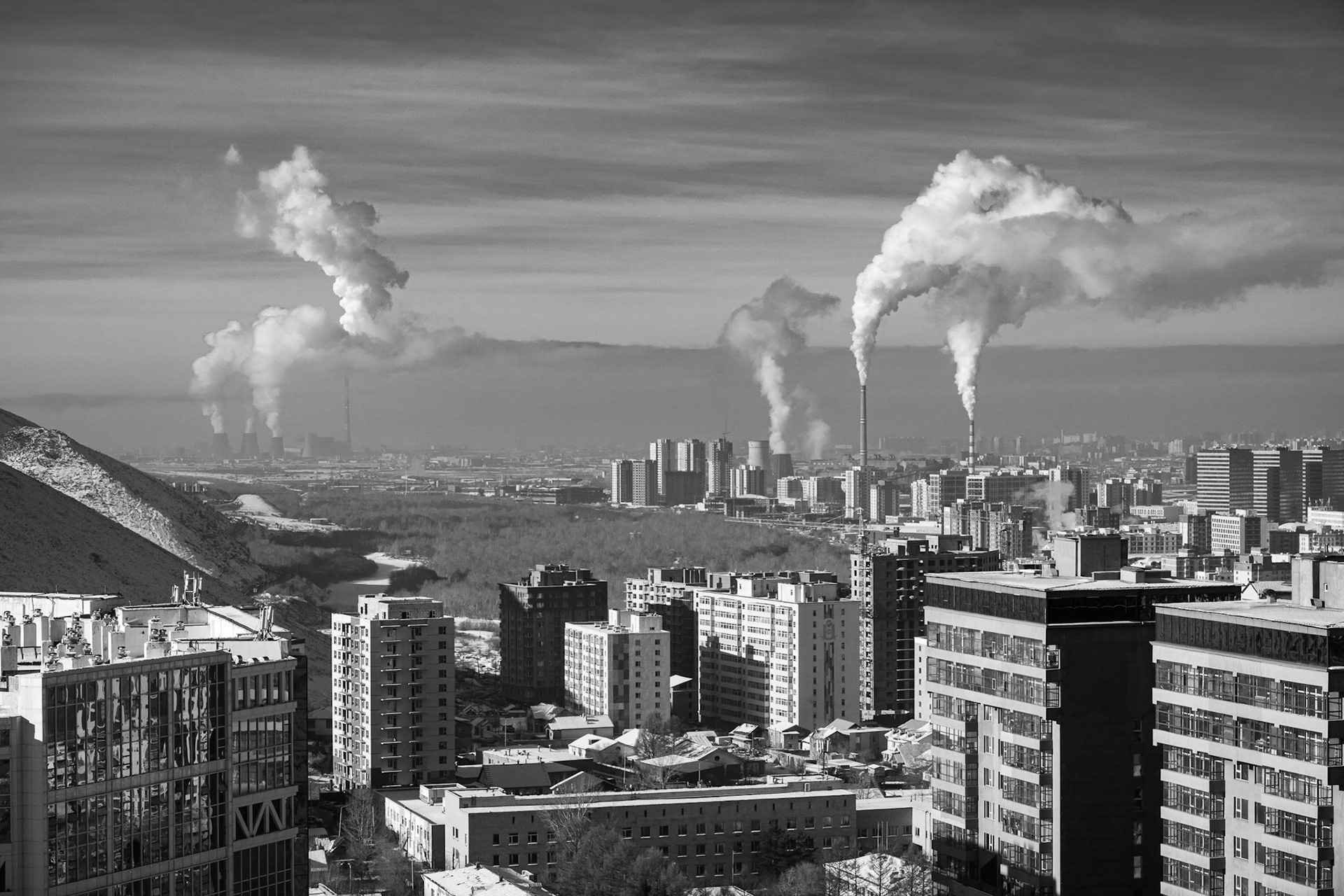
In the winter, these districts become the source of one of the world's worst air quality crises. To survive the sub-zero temperatures, residents burn coal or subsidized briquettes, trapping a toxic layer of industrial and domestic pollutionagainst the mountains. These photographs document this precarious transition: from the silent, frozen expanse of the Gobi desert steppe to the smog-choked horizon of a city struggling to breathe under the weight of its own growth.
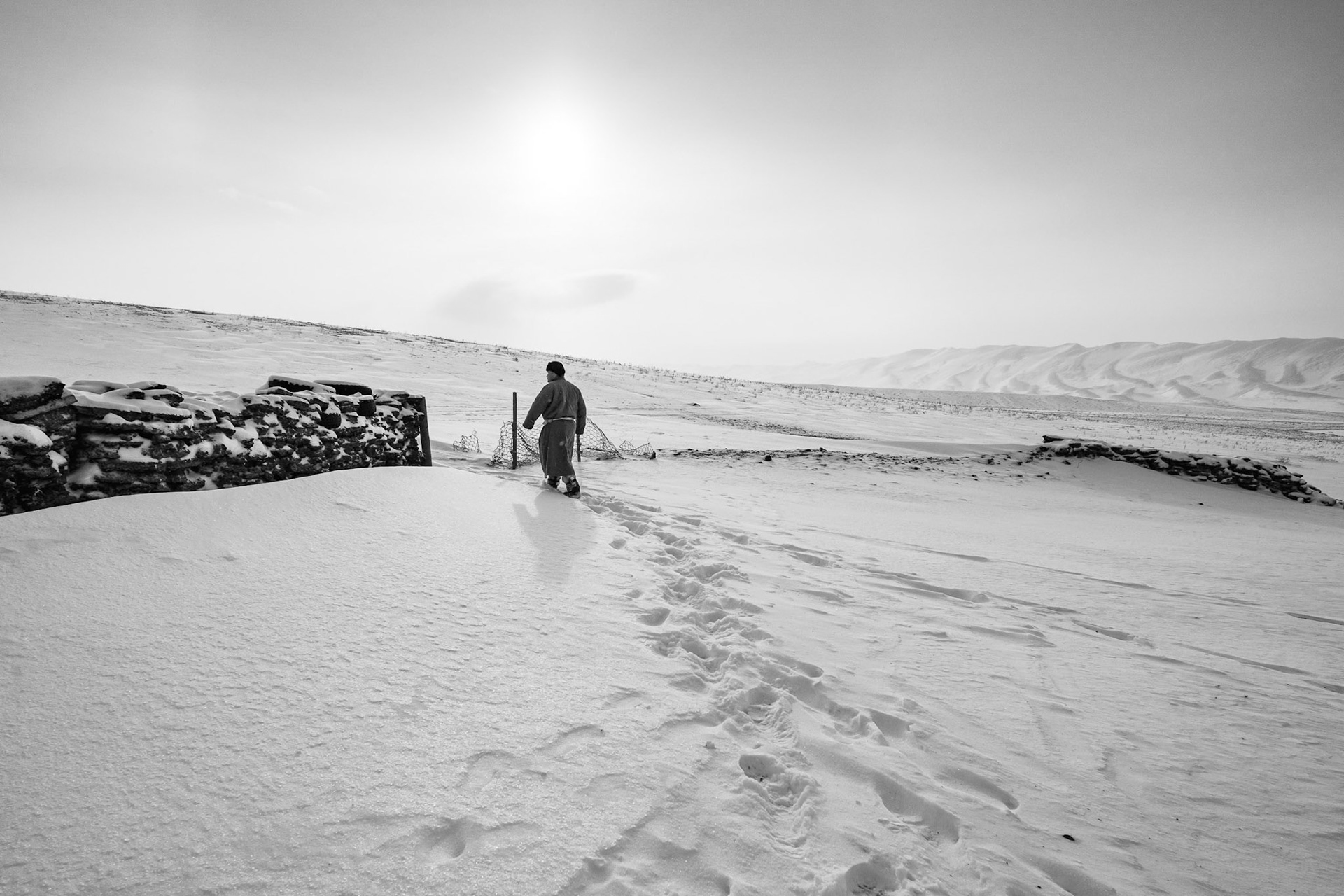
A lone herder treks across the frozen pasture, highlighting the isolation of the winter camps. Gobi desert, Mongolia, December 2025
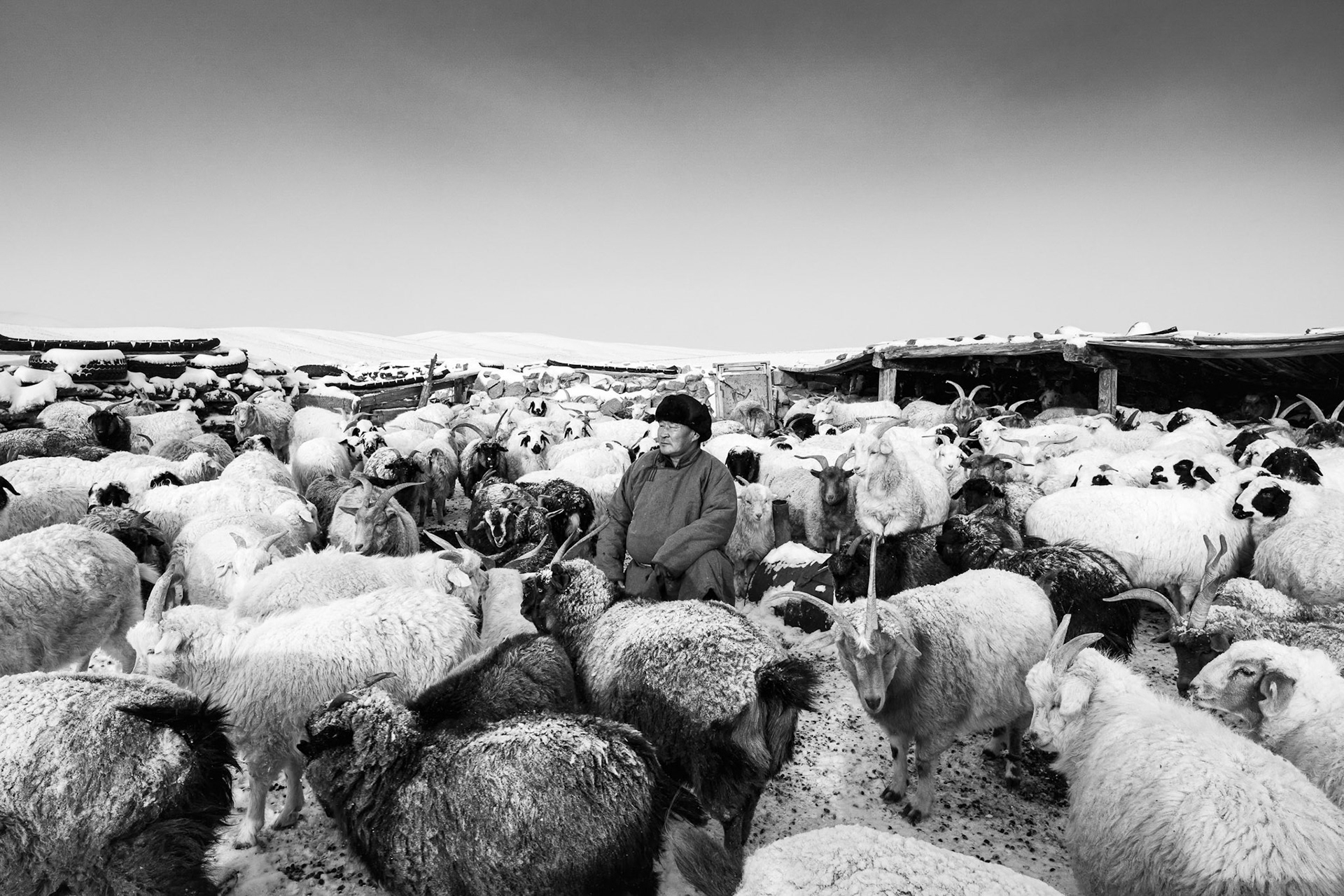
A herder stands among his flock, facing a winter made harsher by extreme drought during the rest of the year. Gobi desert, Mongolia, December 2025
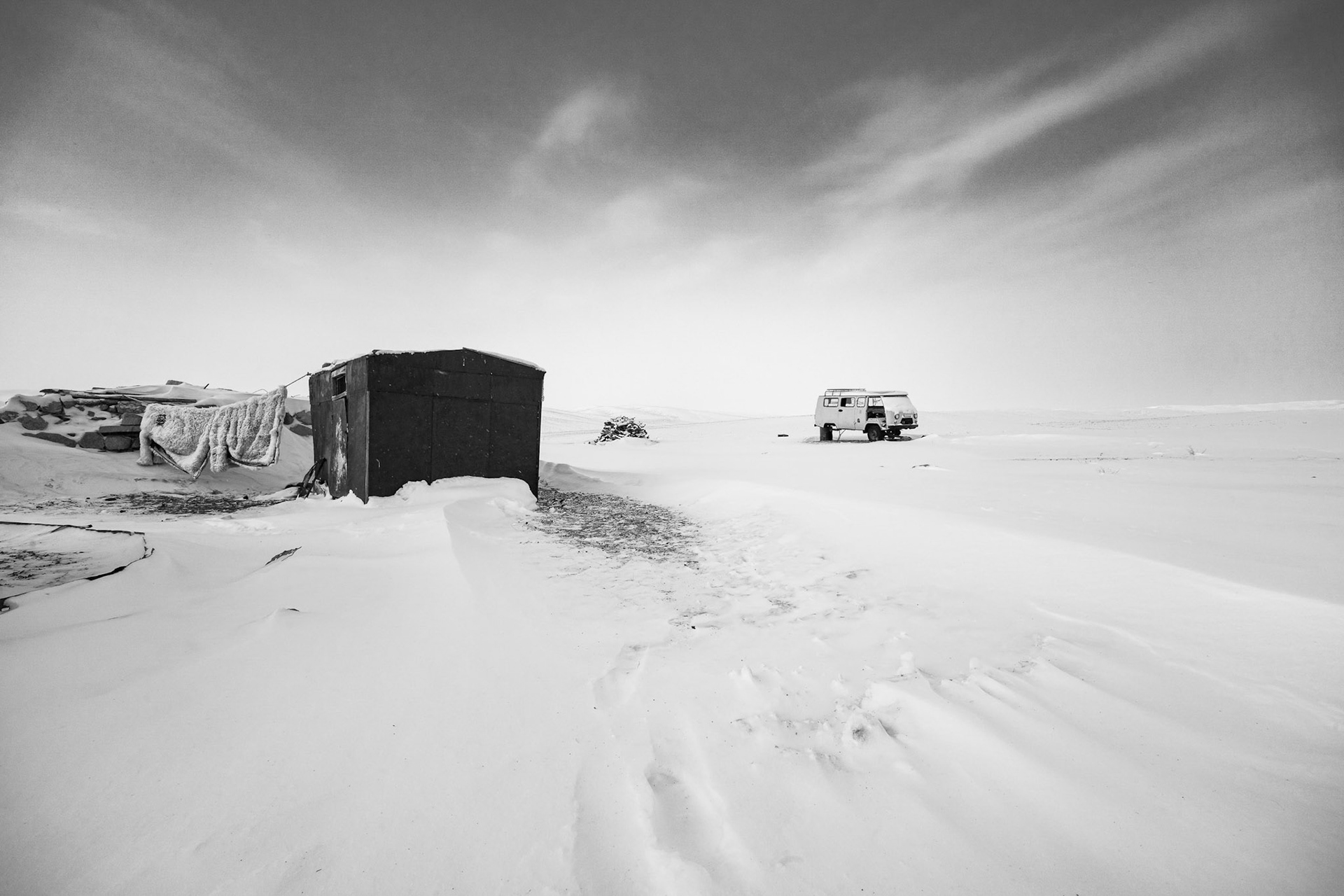
A small settlement of Gers and utility sheds standing against the vastness of the Gobi desert, Mongolia, December 2025
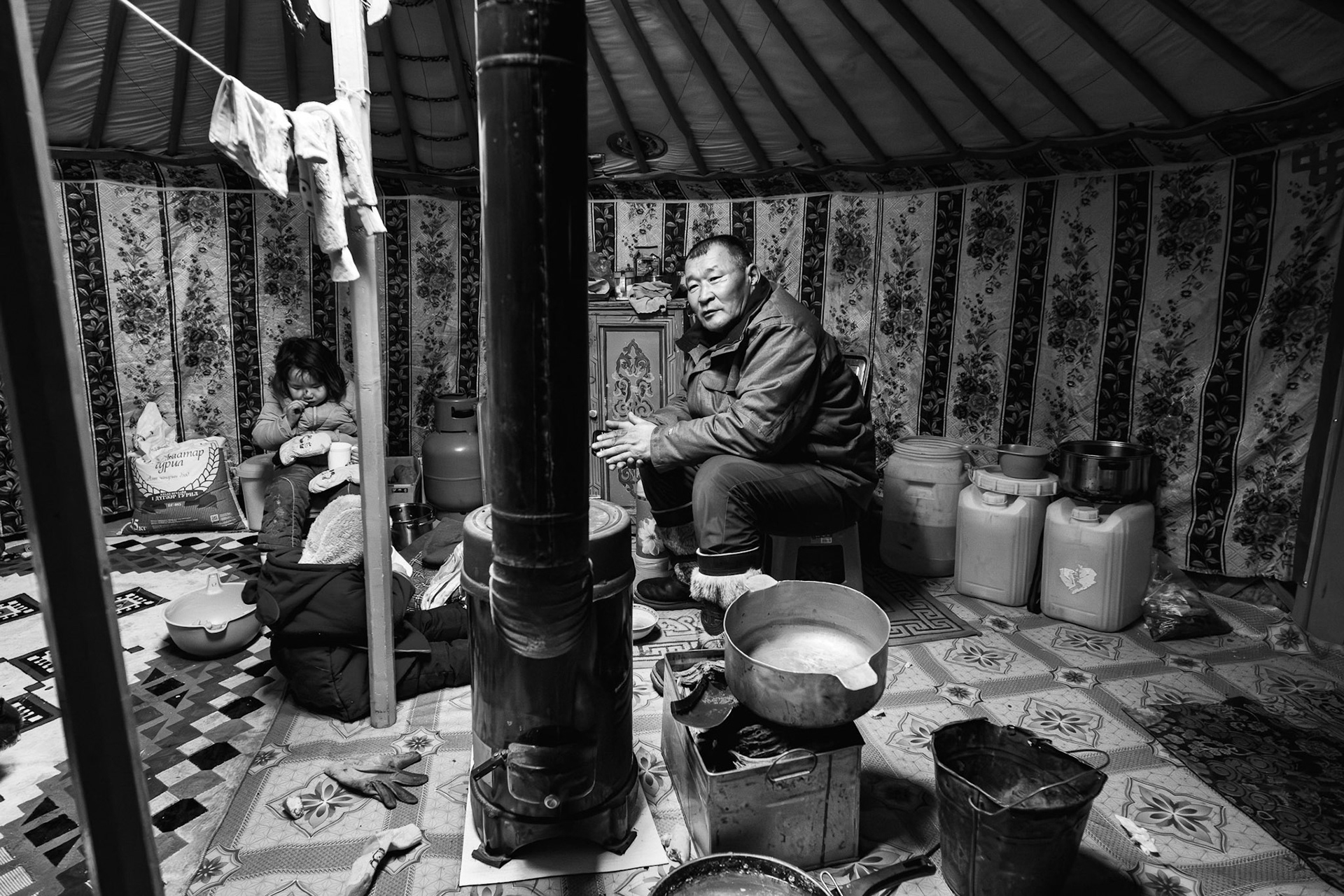
The grandfather maintains the traditional household while the working-age generation migrates to the city. Gobi desert, Mongolia, December 2025
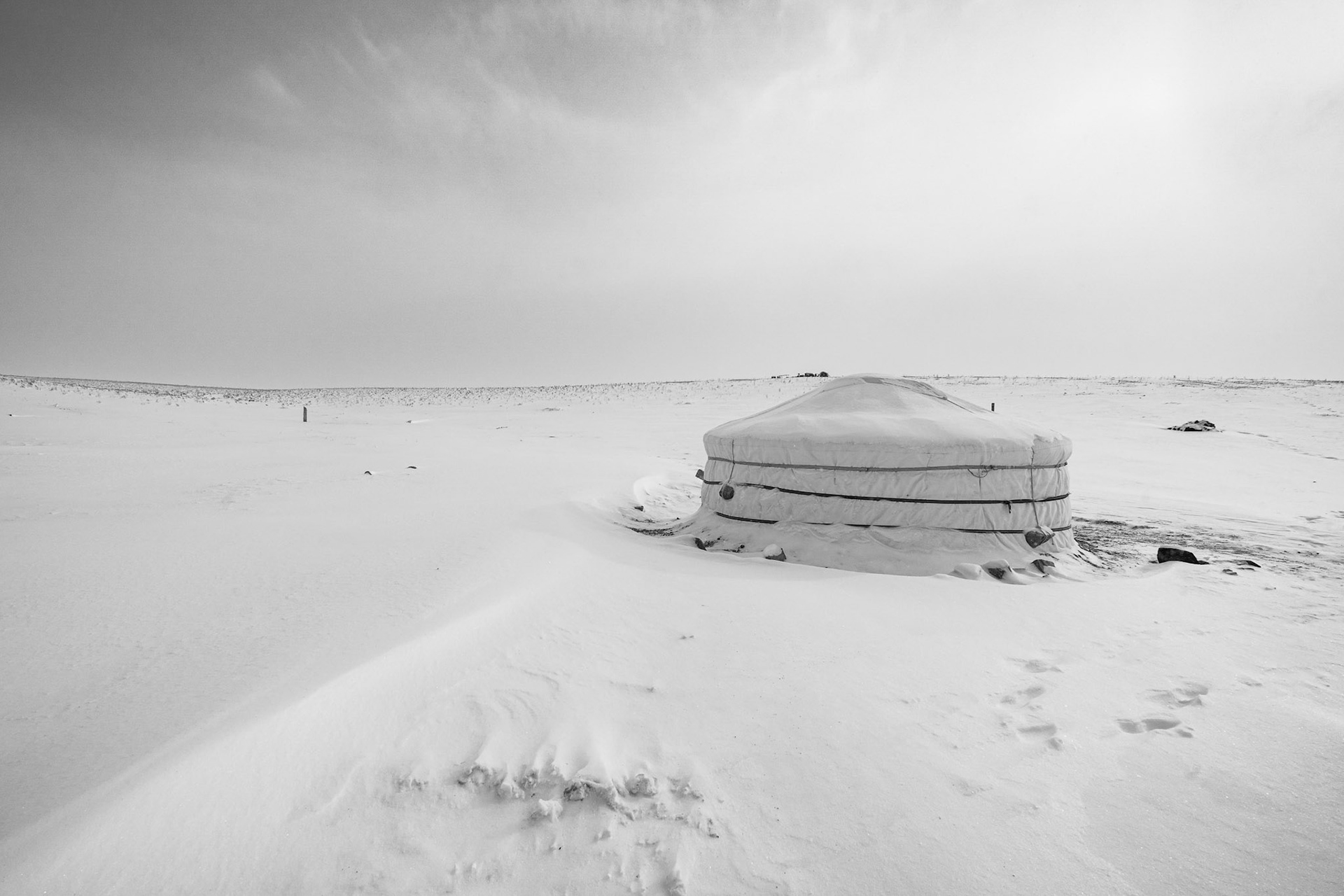
A Ger stands as a solitary defiant shape against a horizontal world of snow. Gobi desert, Mongolia, December 2025
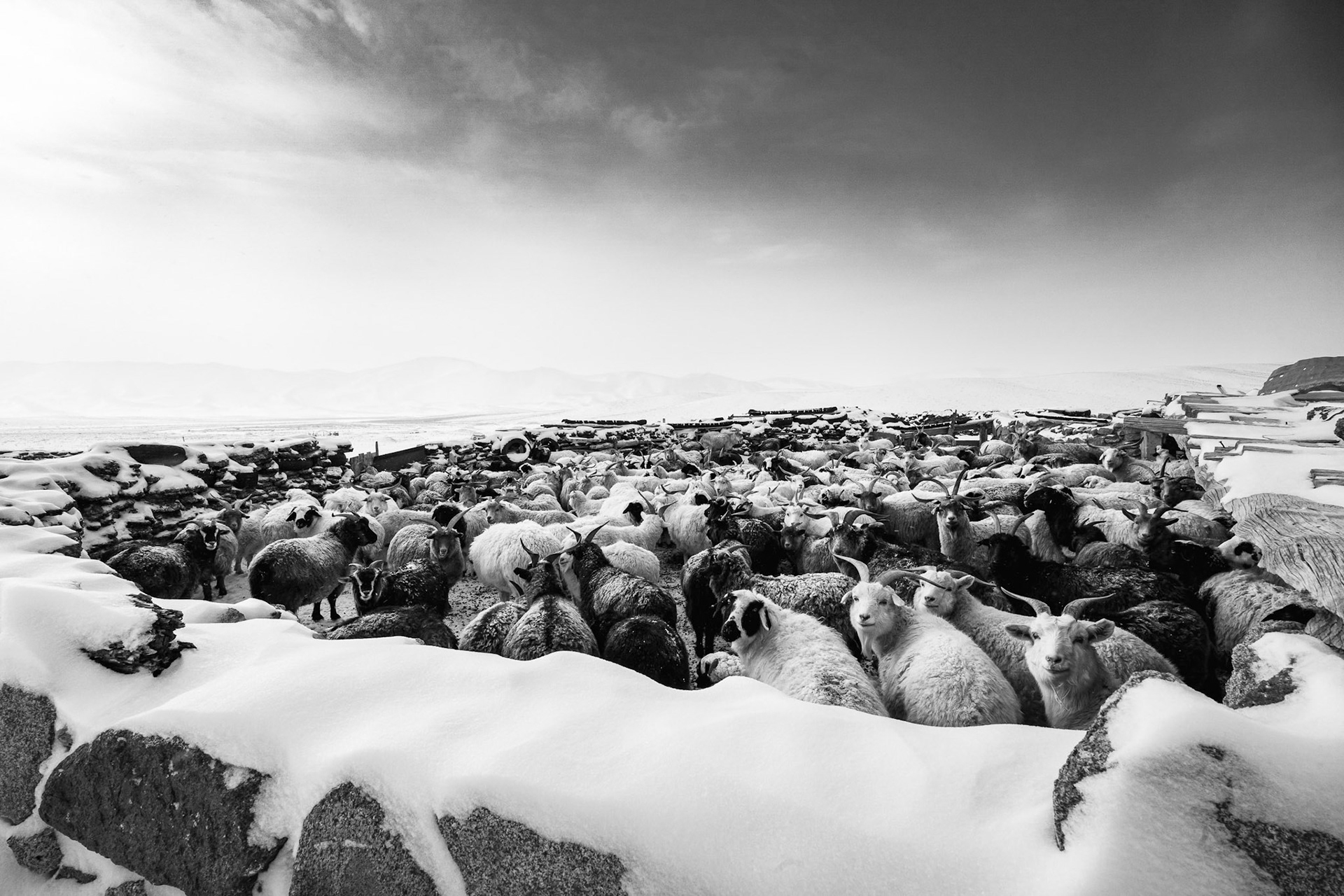
Survival in the Gobi is a collective effort for both man and animals. Herder's camp in the Mongolian Gobi desert, December 2025
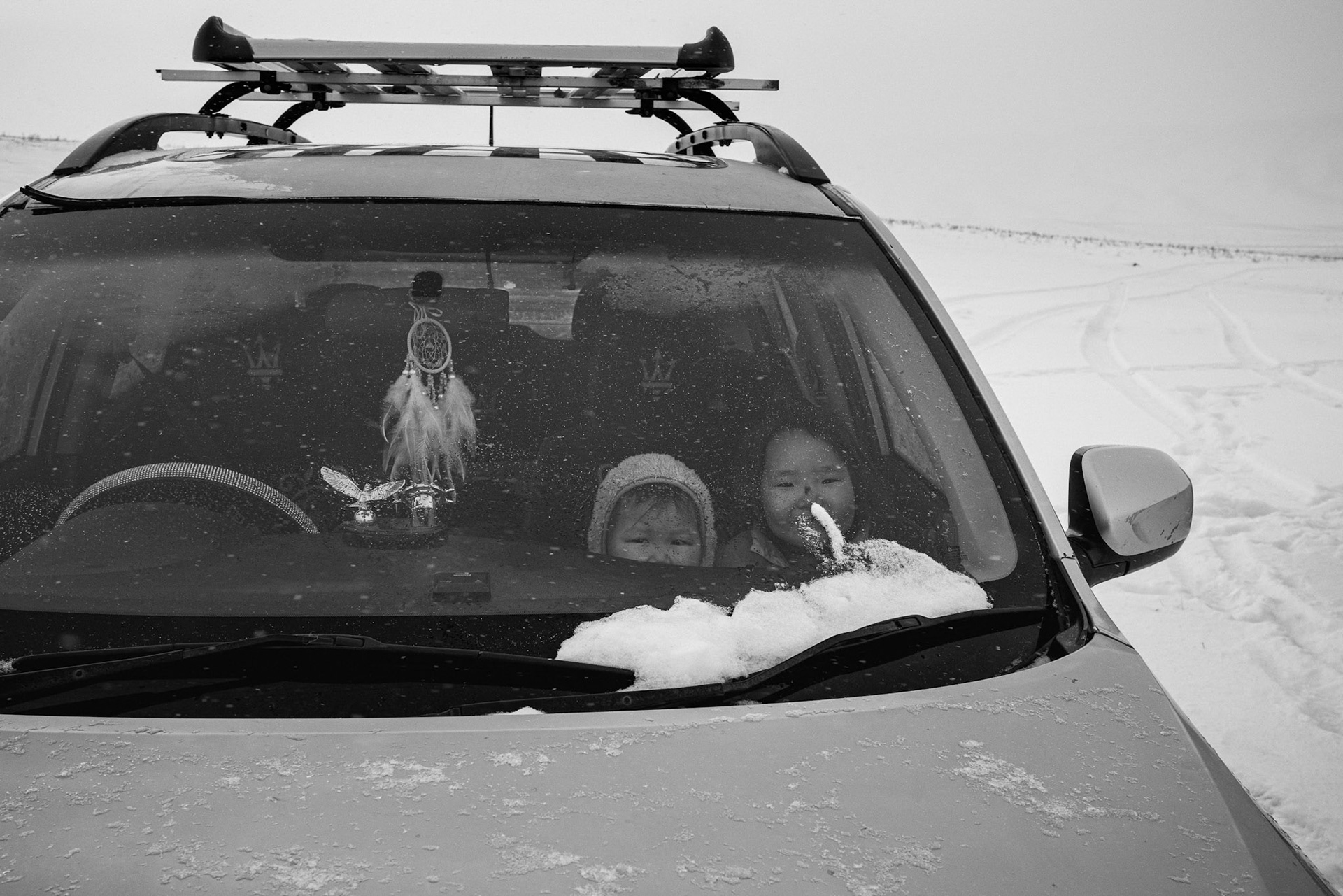
Children looking out from a vehicle, the primary link between the remote camp and the nearest town. Gobi desert, one day from Dalanzadgad, Mongolia, December 2025
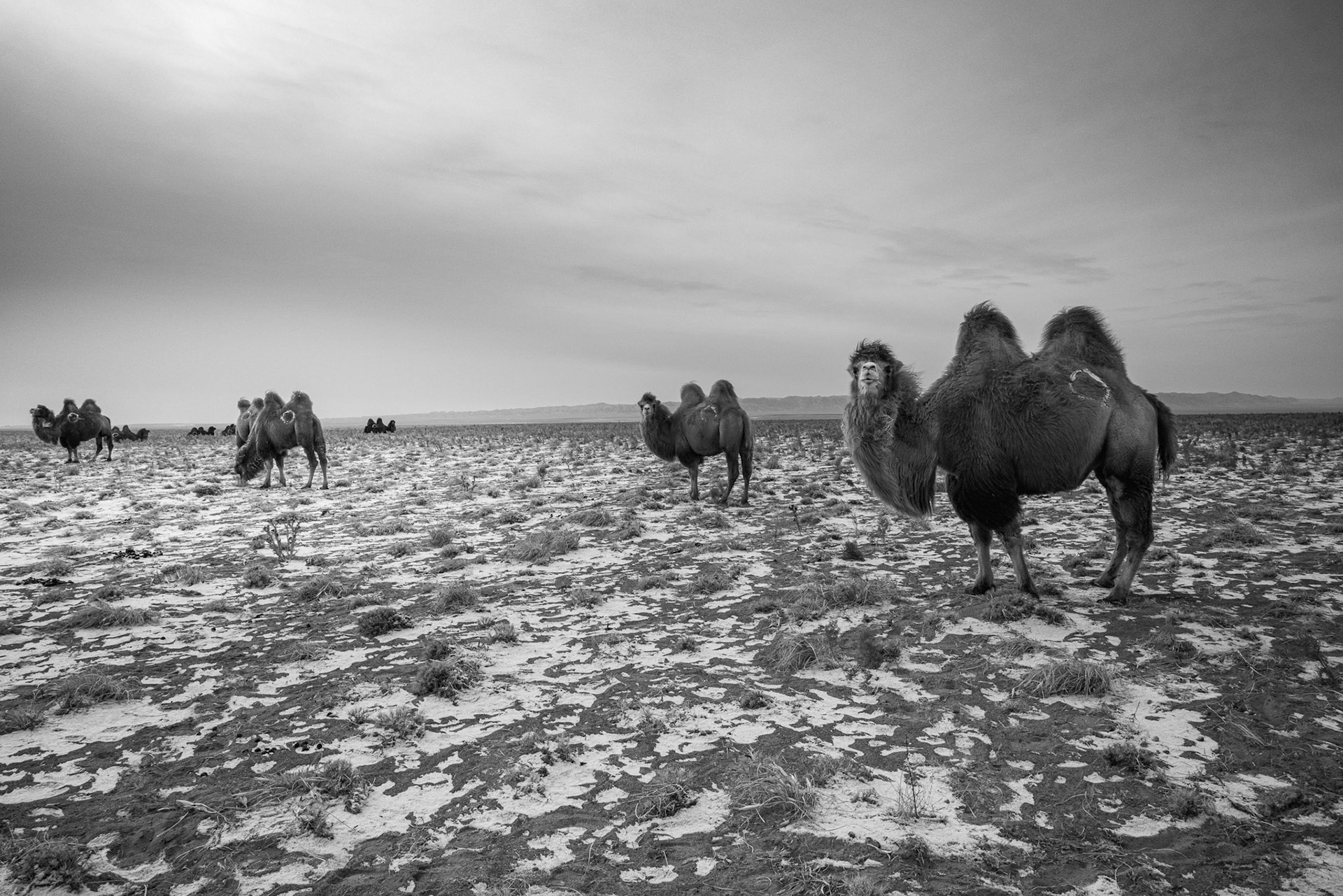
Bactrian camels huddling against the wind in the snowy Omnogovi steppe. Gobi desert, Mongolia, December 2025
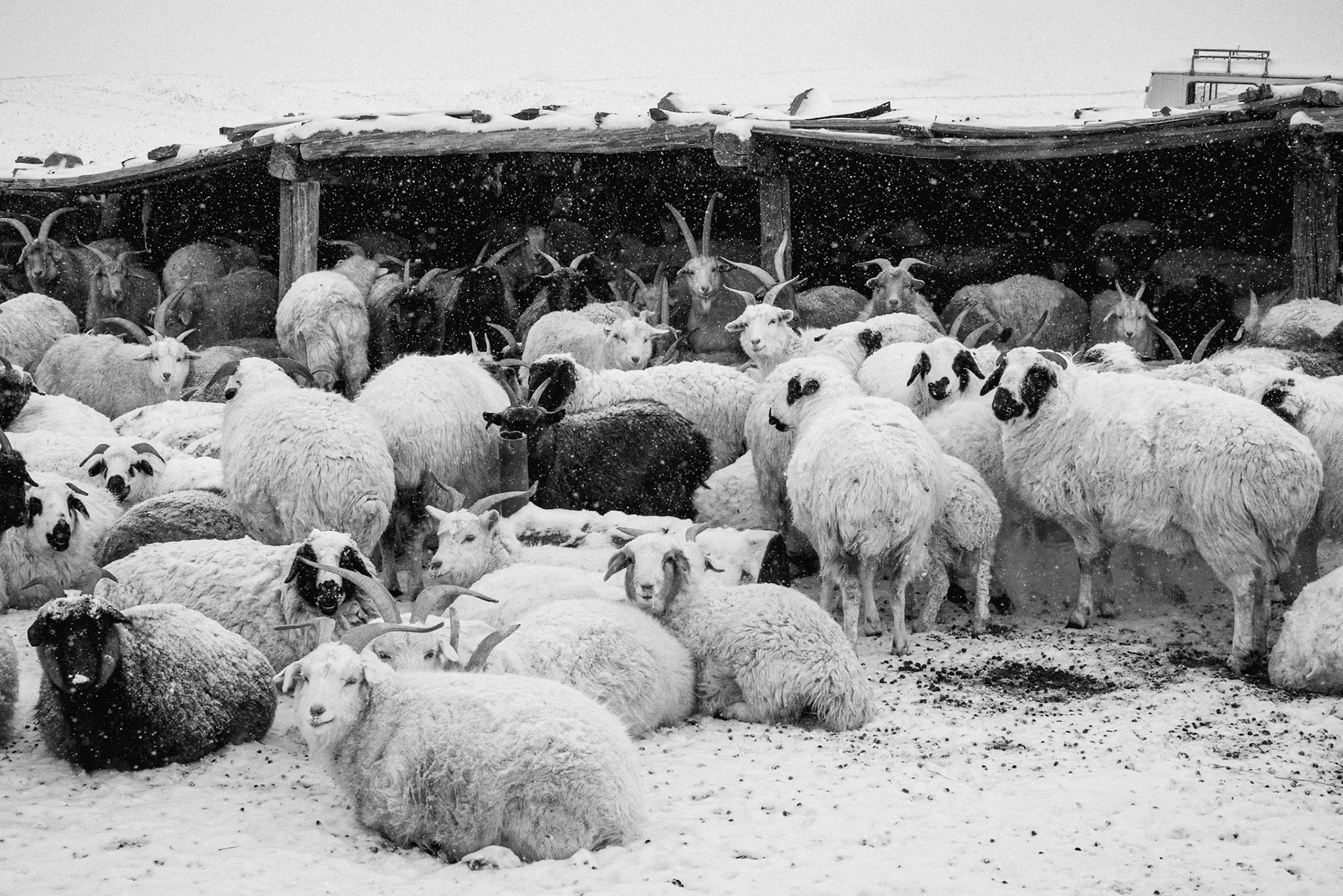
The wealth of nomads, sheep and goats seeking shelter in a hand-built enclosure. Gobi desert, Mongolia, December 2025
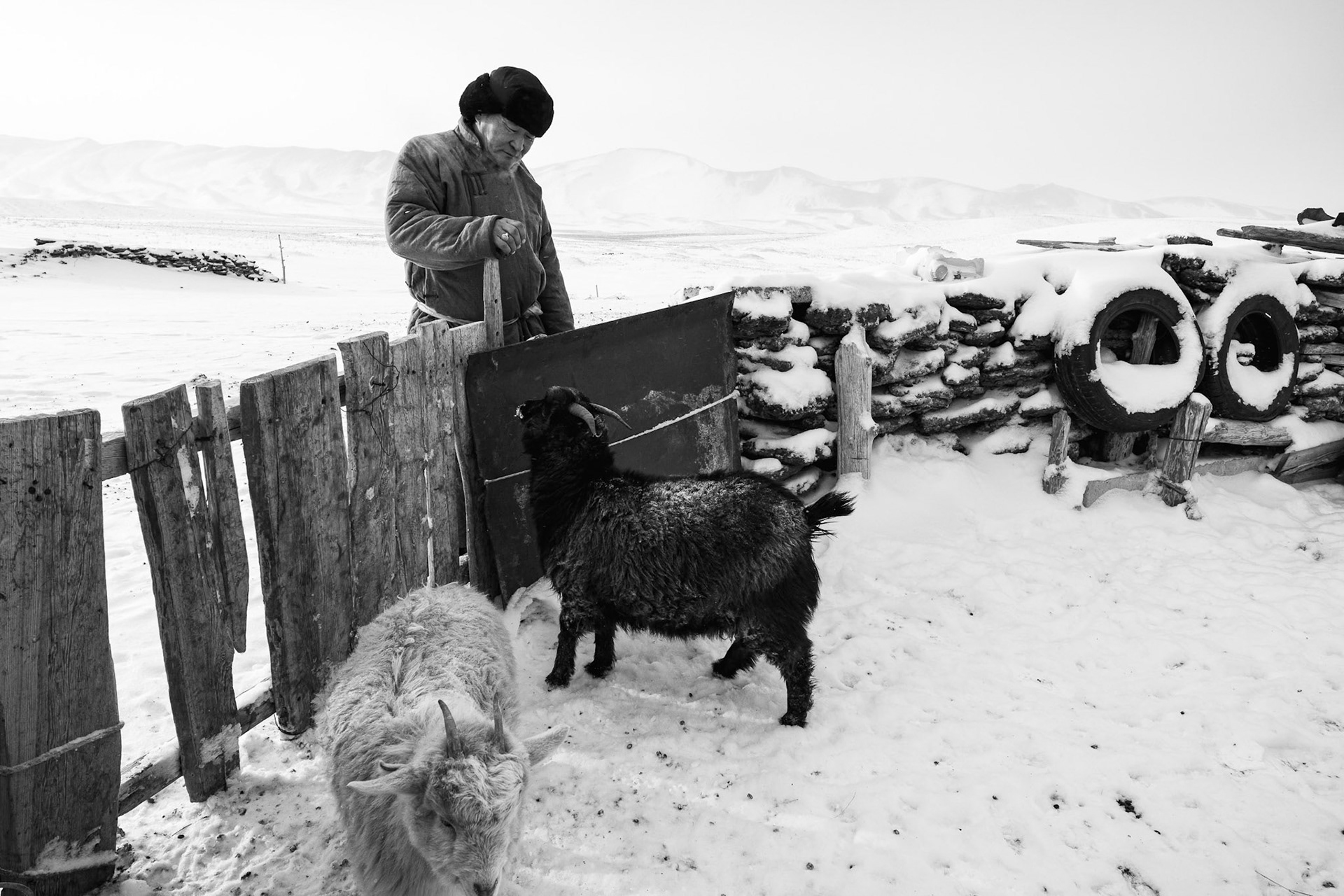
A herder preparing to check the herd in the first light of the frozen Gobi desert. Mongolia, December 2025
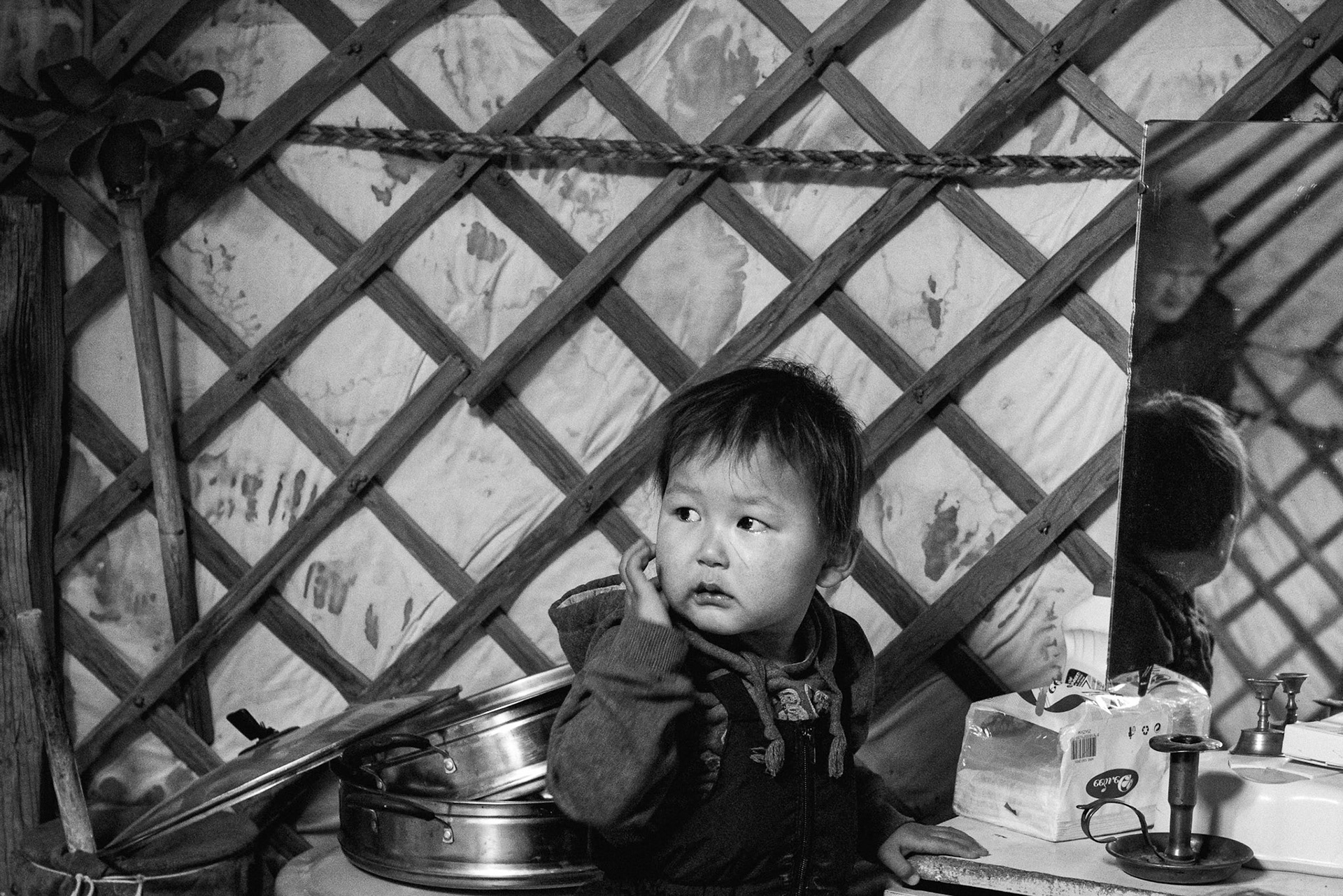
Inside the Ger, the grandfather looks after his grandchildren while their parents work in Ulaanbaatar. Gobi desert, Mongolia, December 2025
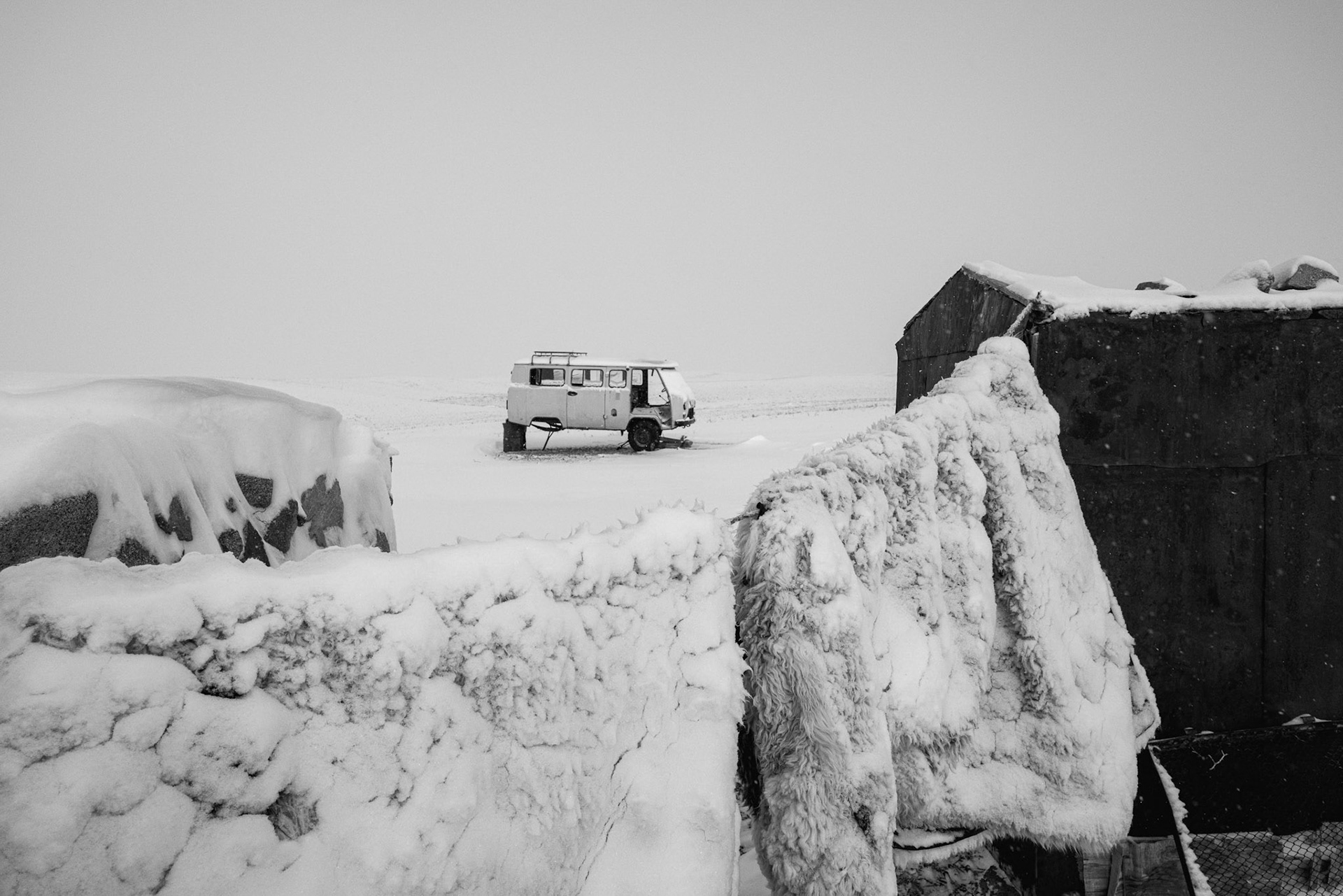
Herder's camp in remote location of the vast Gobi desert in Mongolia, December 2025
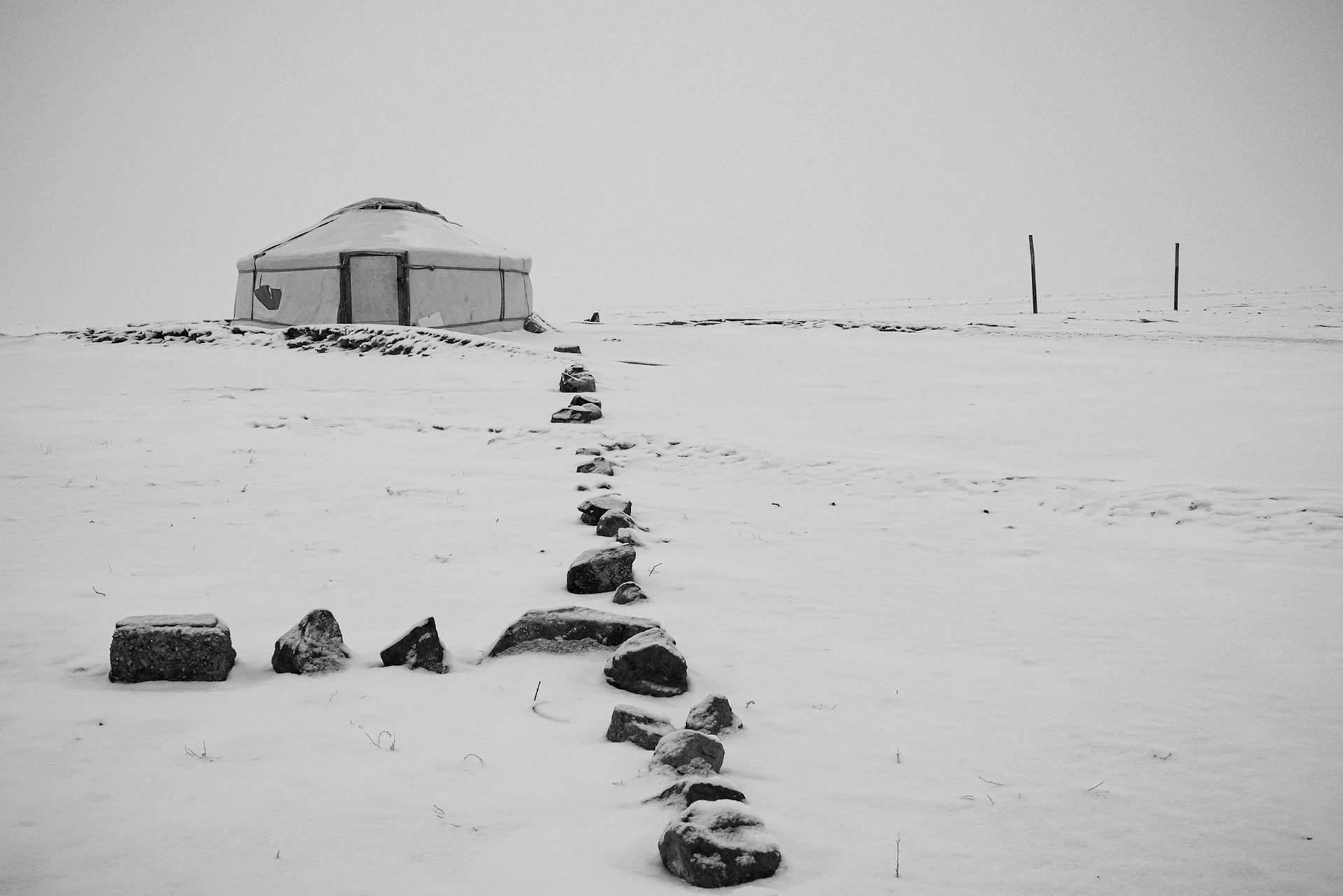
A stone path through the snow leading to the family’s winter camp near the Khongor dunes. Gobi desert, Mongolia, December 2025
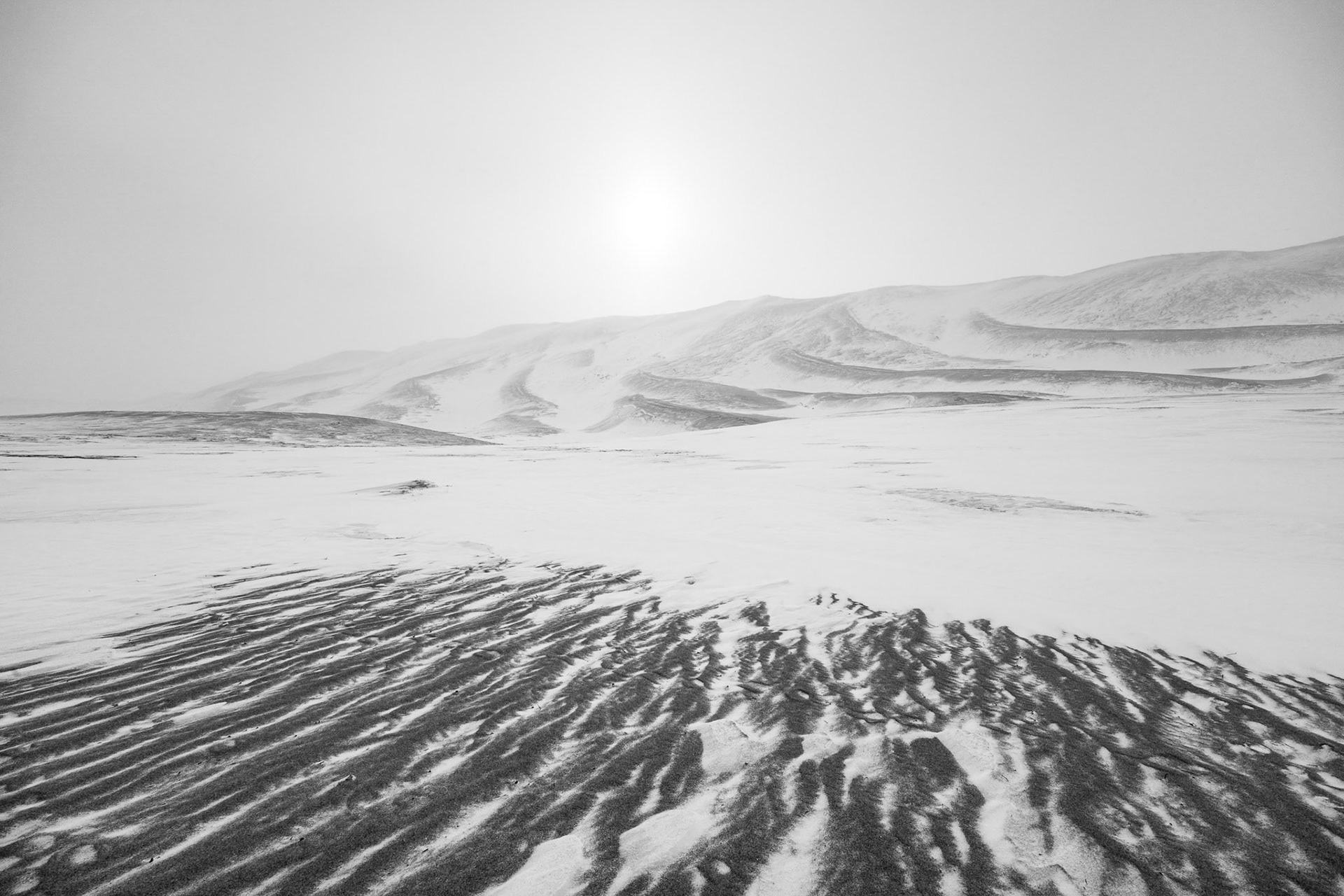
The Khongor Sand Dunes, one of the world's highest dune systems, now a frontline for encroaching desertification. Gobi desert, Mongolia, December 2025
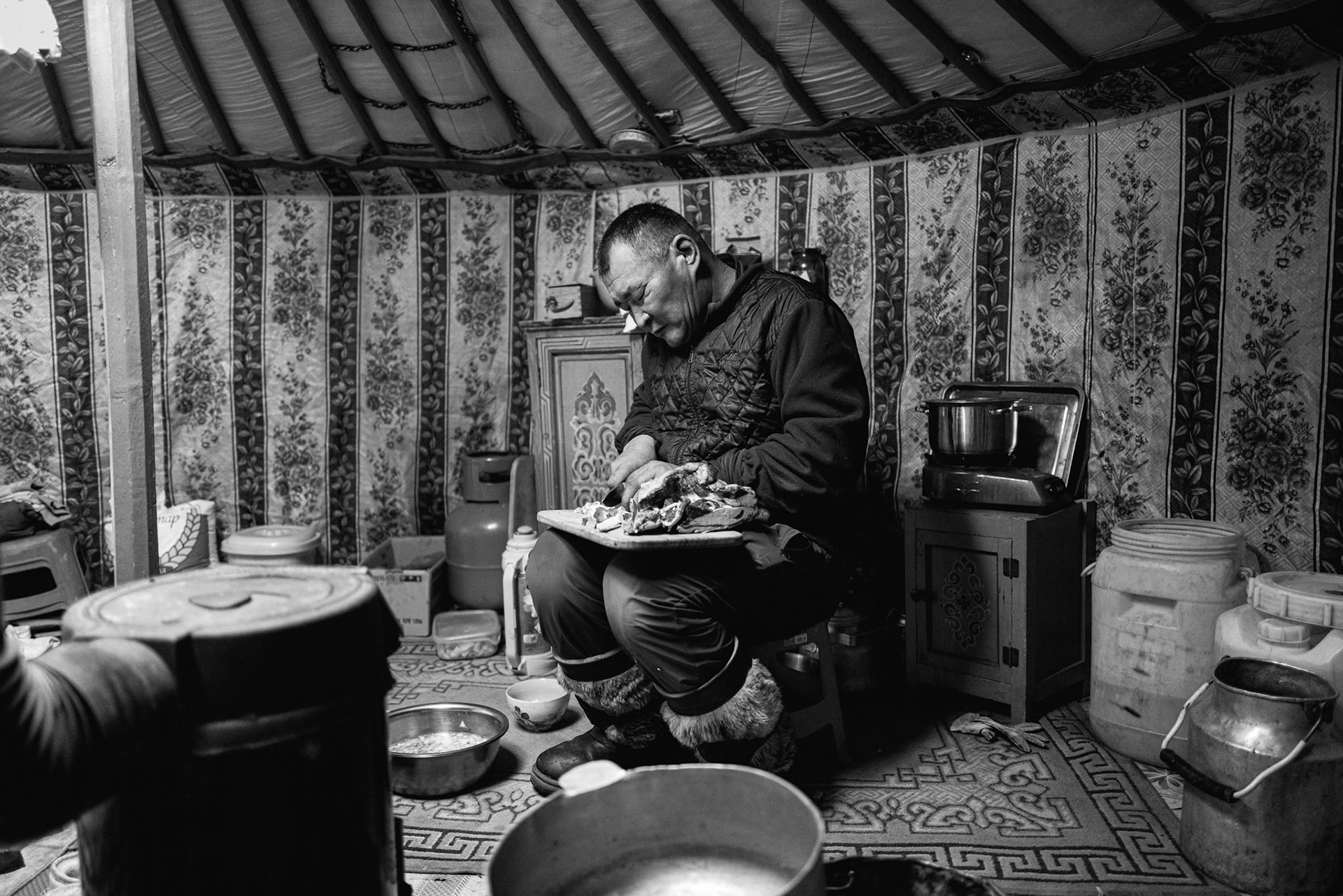
A herder performing daily chores inside the Ger, a space of centuries-old tradition. Gobi desert, Mongolia, December 2025
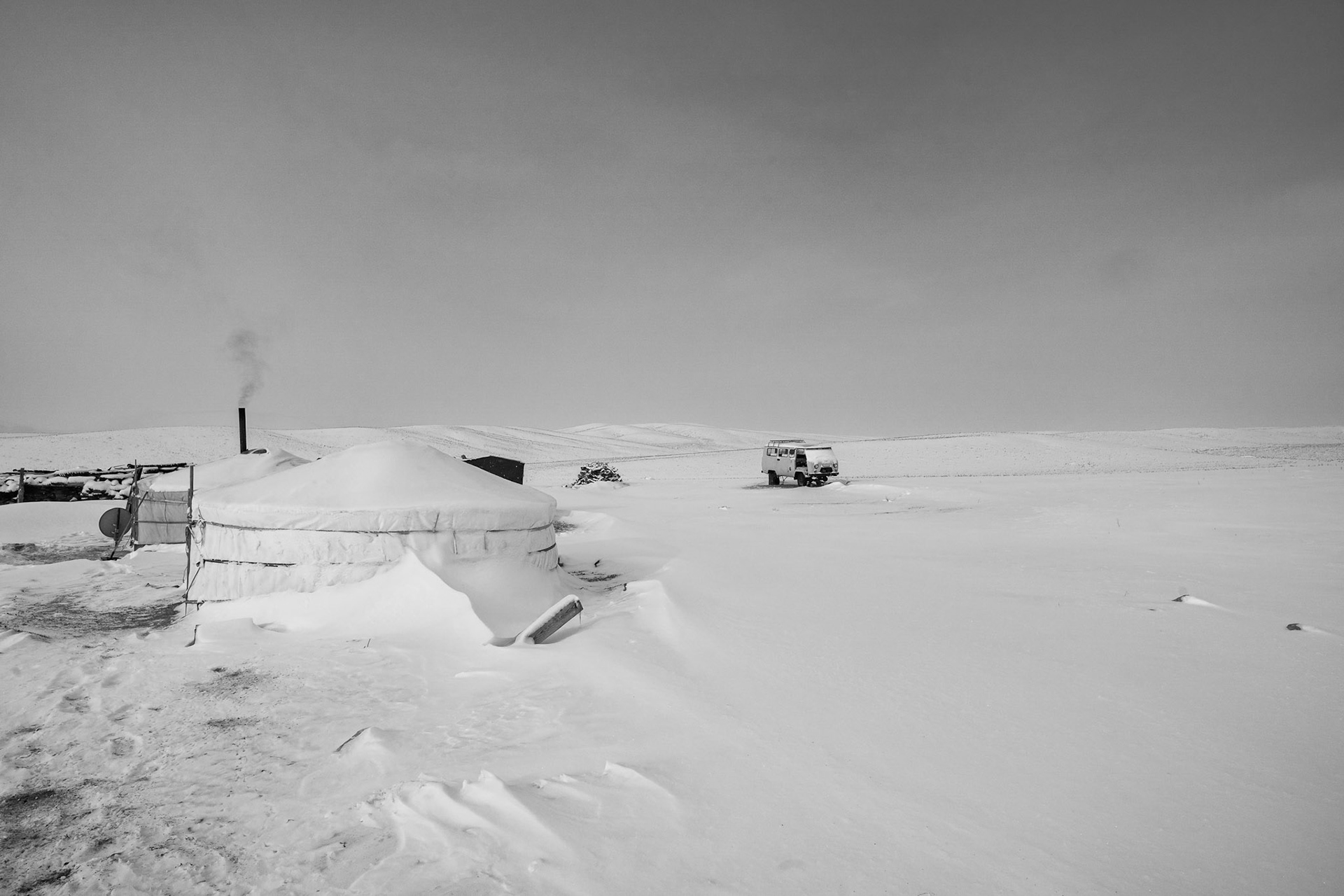
A Ger stands as a solitary defiant shape against a horizontal world of snow. Gobi desert, Mongolia, December 2025
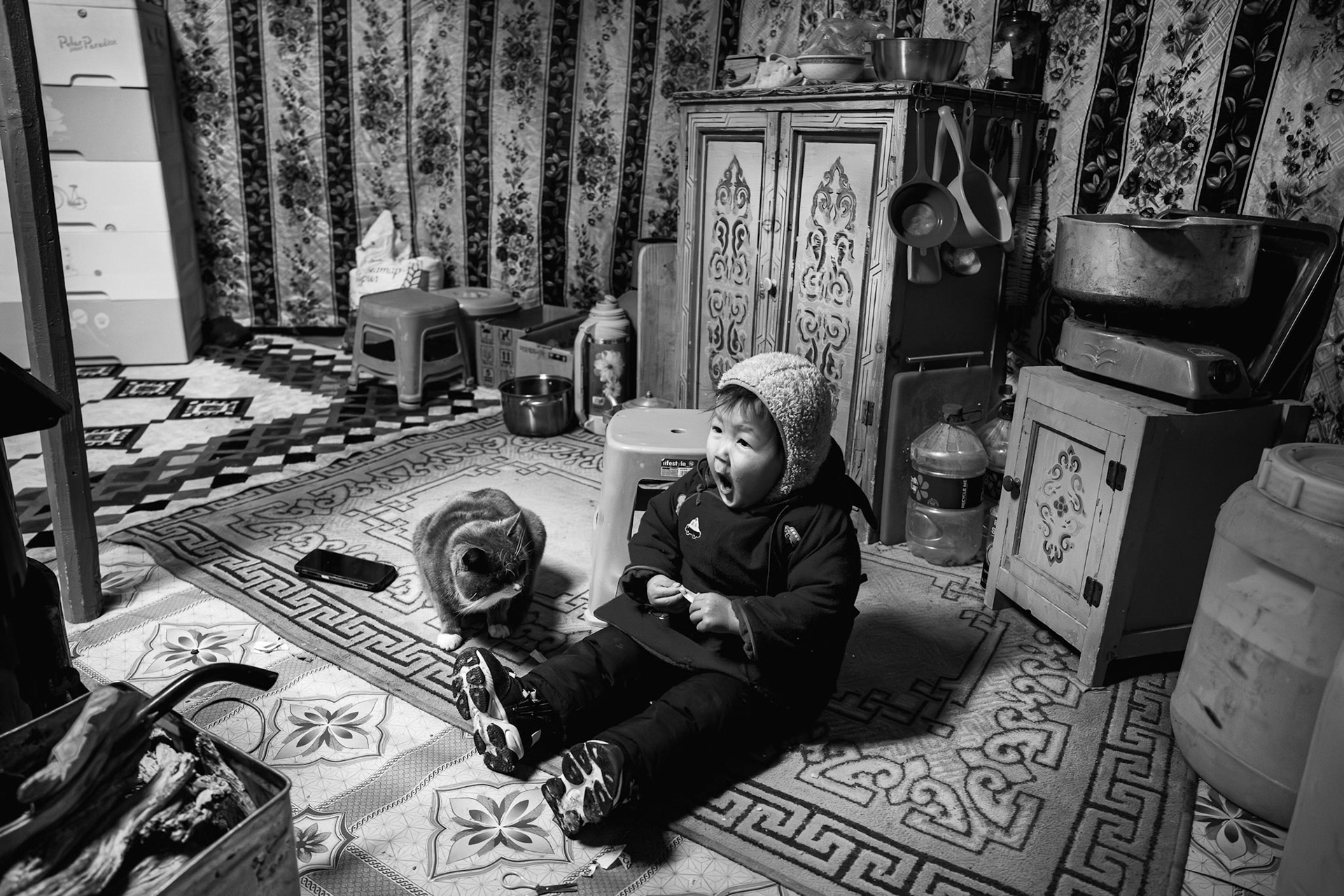
A young child sits by the stove, which provides the only heat against the brutal December cold. Gobi desert, Mongolia, December 2025
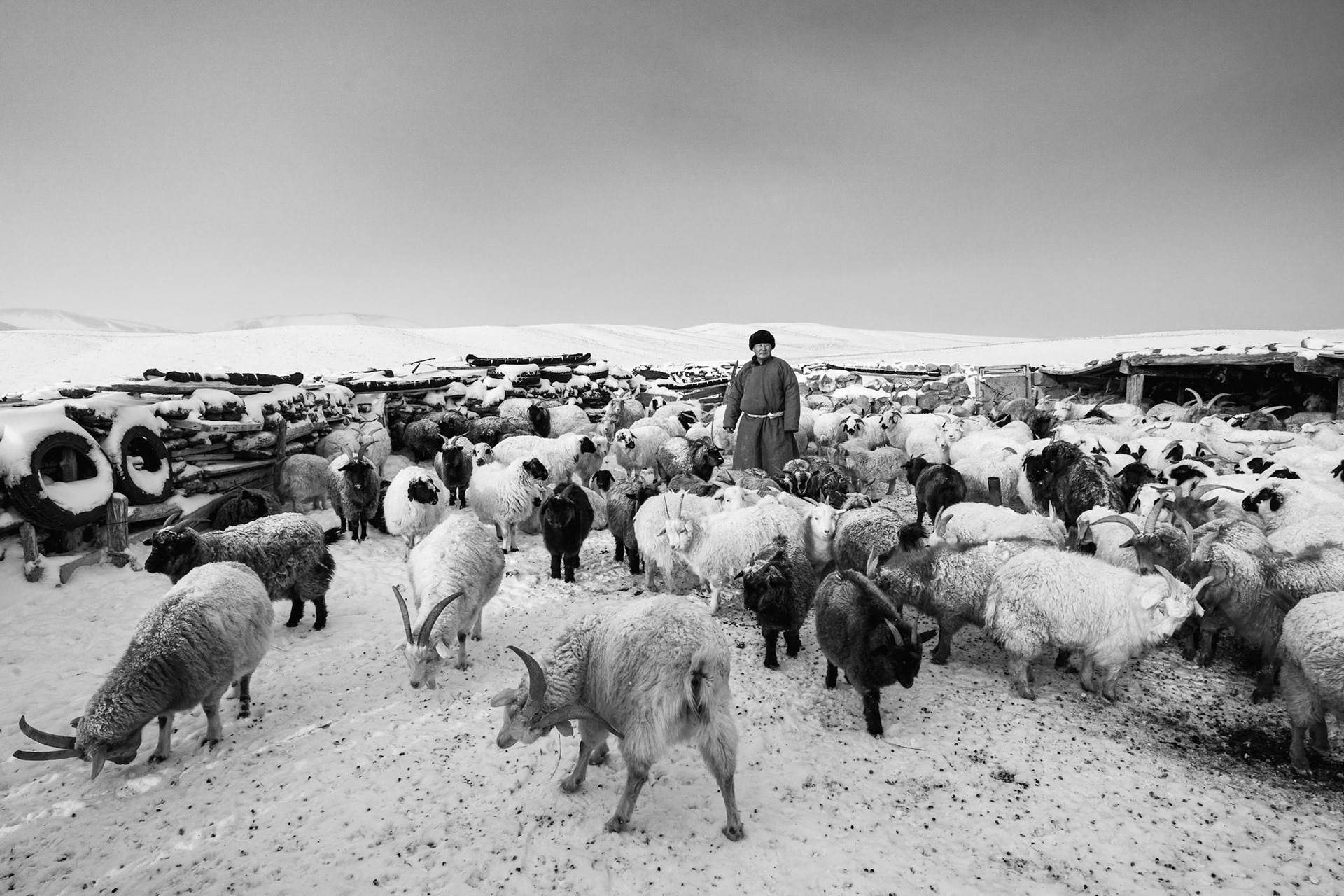
Livestock foraging through the ice for sparse, dry grass amidst increasing desertification. Gobi desert, Mongolia, December 2025
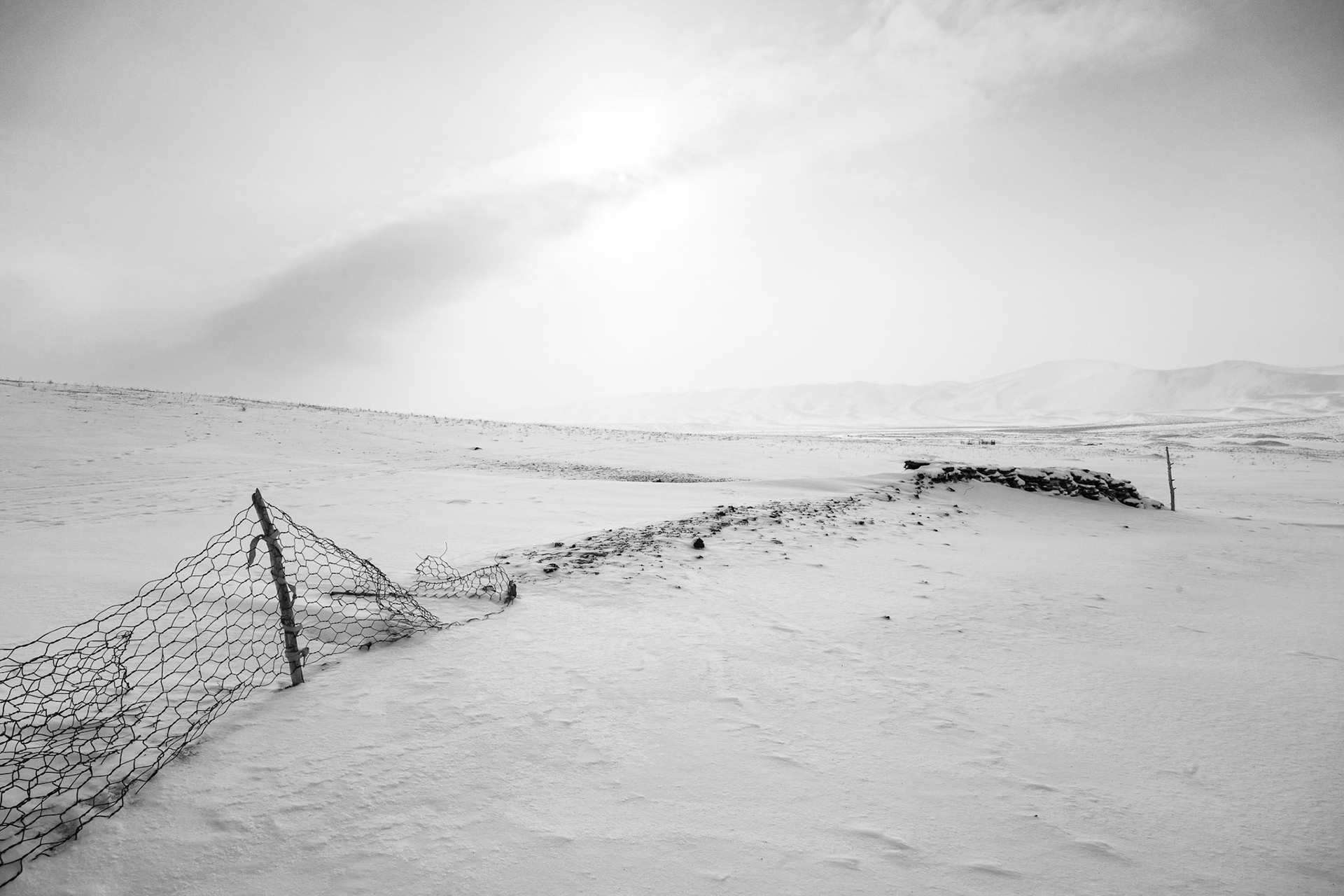
A fence line partially buried by snow and wind-blown sand near the Khongor dunes. Gobi desert, Mongolia, December 2025
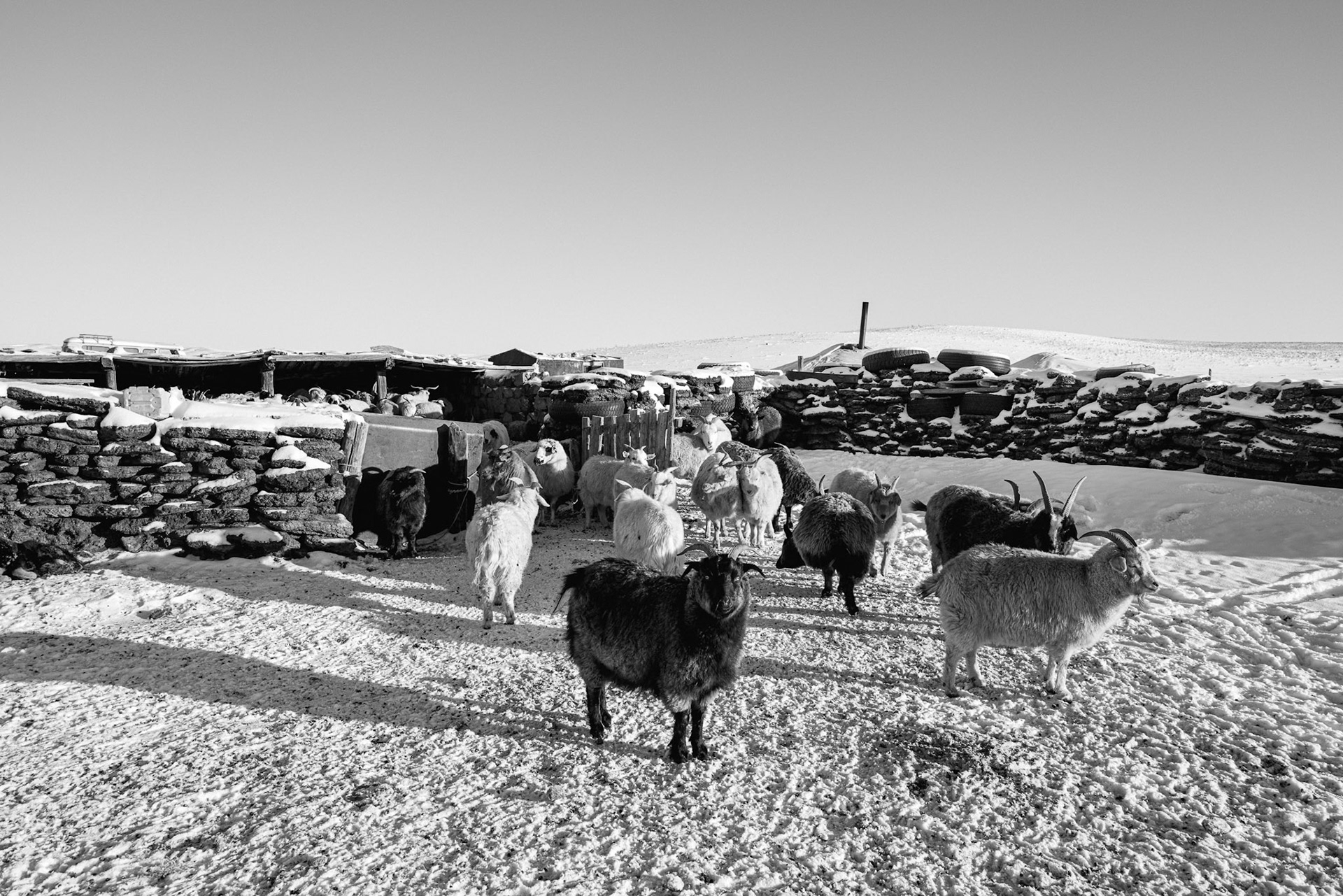
With grazing nearly impossible at -40°C, livestock rely on expensive, purchased fodder to survive the winter months. Gobi desert, Mongolia, December 2025
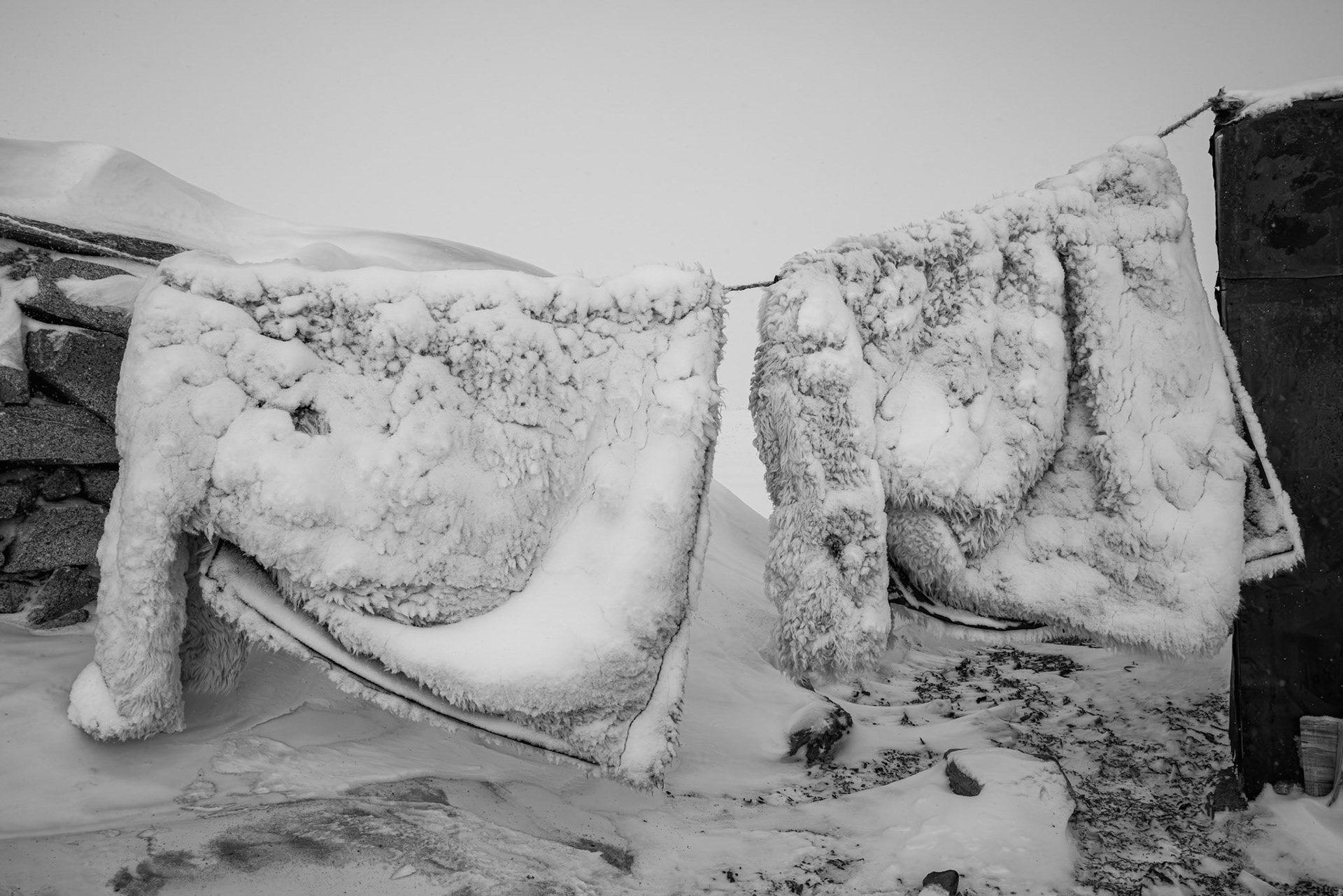
Woolen coats hung to air freeze. Herder's camp in the Gobi desert, Mongolia, December 2025
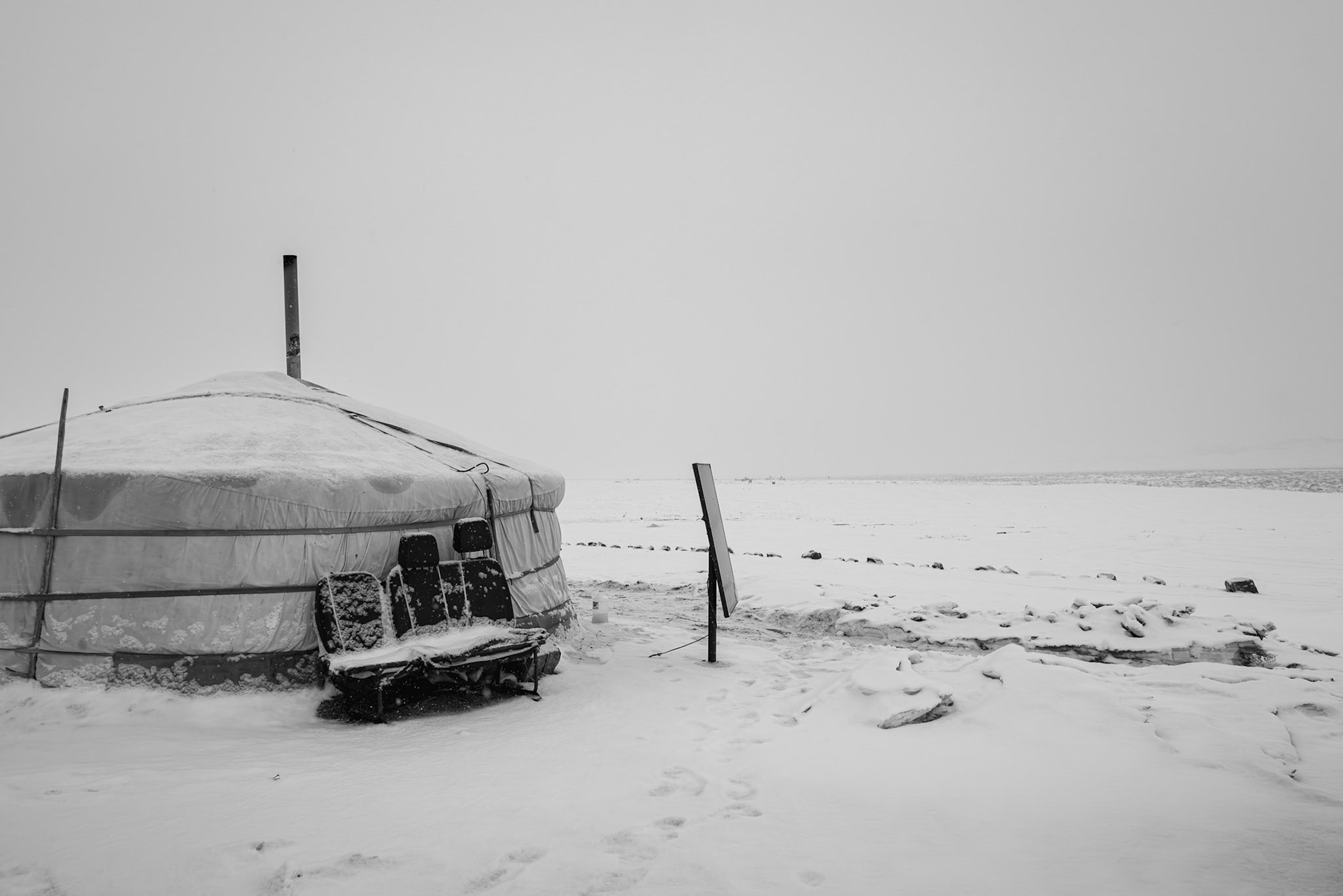
A traditional Mongolian Ger reinforced against the high winds of the Gobi. Gobi desert, Mongolia, December 2025
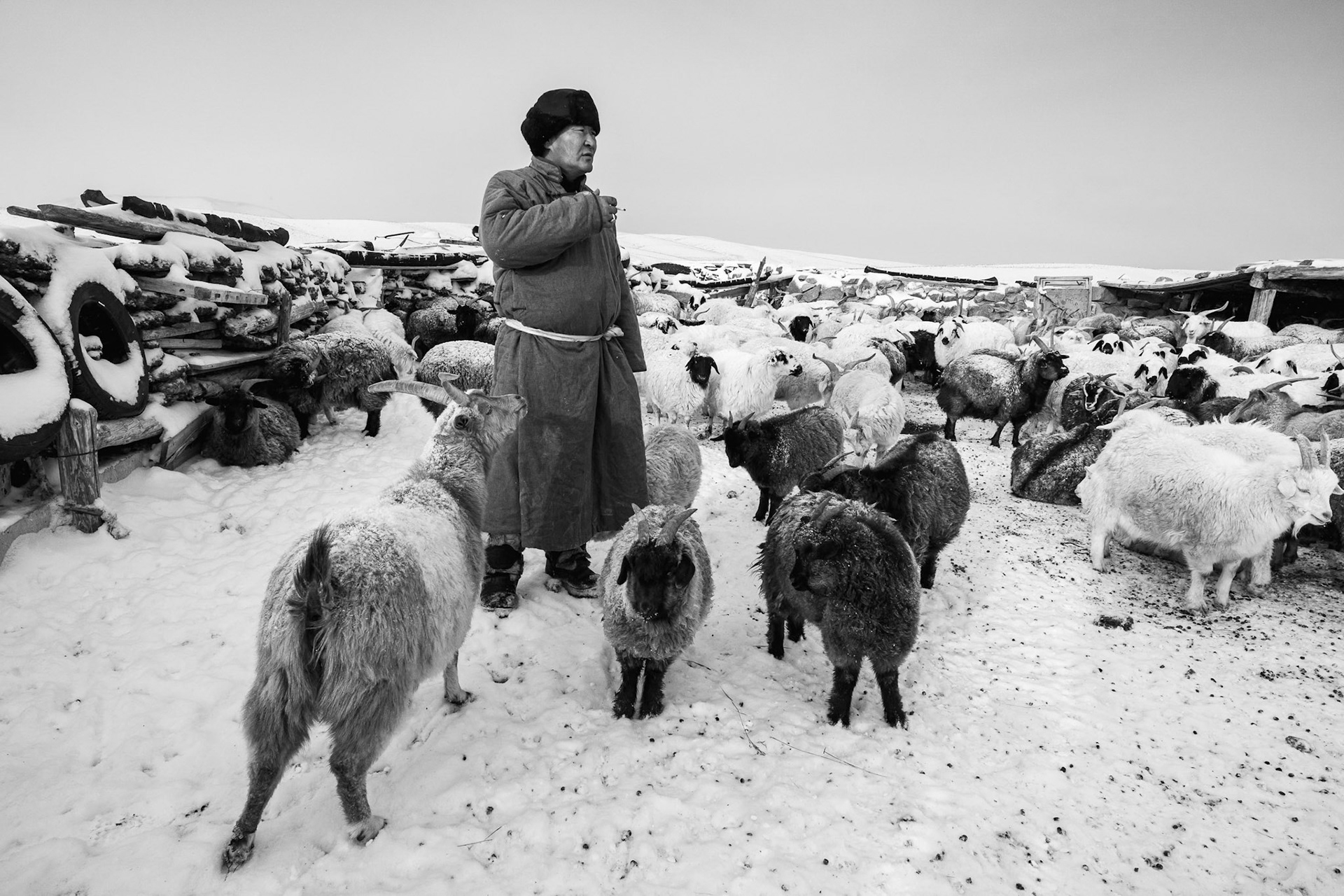
Tending to the animals, every head of livestock represents the family's survival and economic security. Gobi desert, Mongolia, December 2025
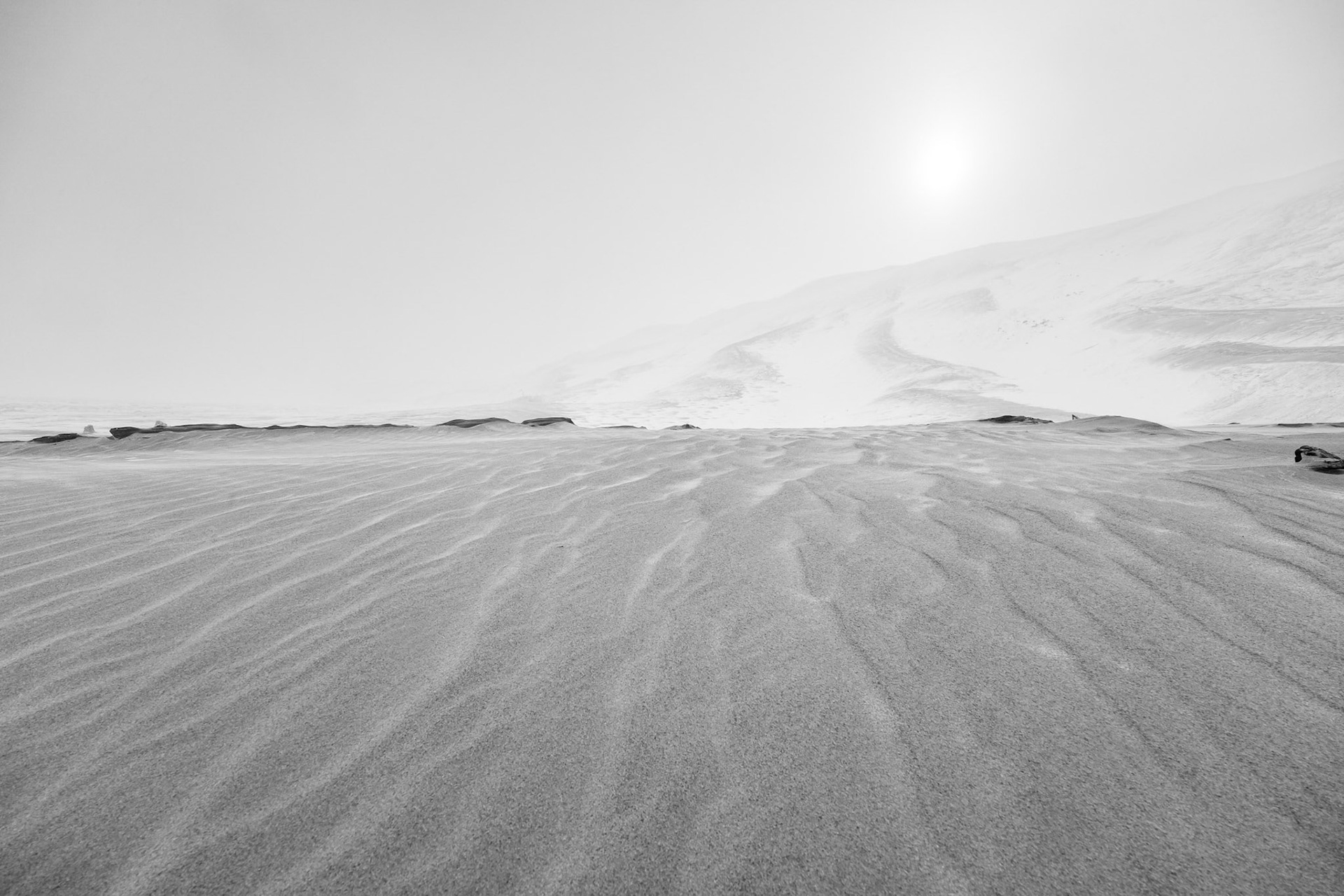
Wind-carved patterns in the sand and snow at the base of the Khongor dunes. Mongolia, December 2025
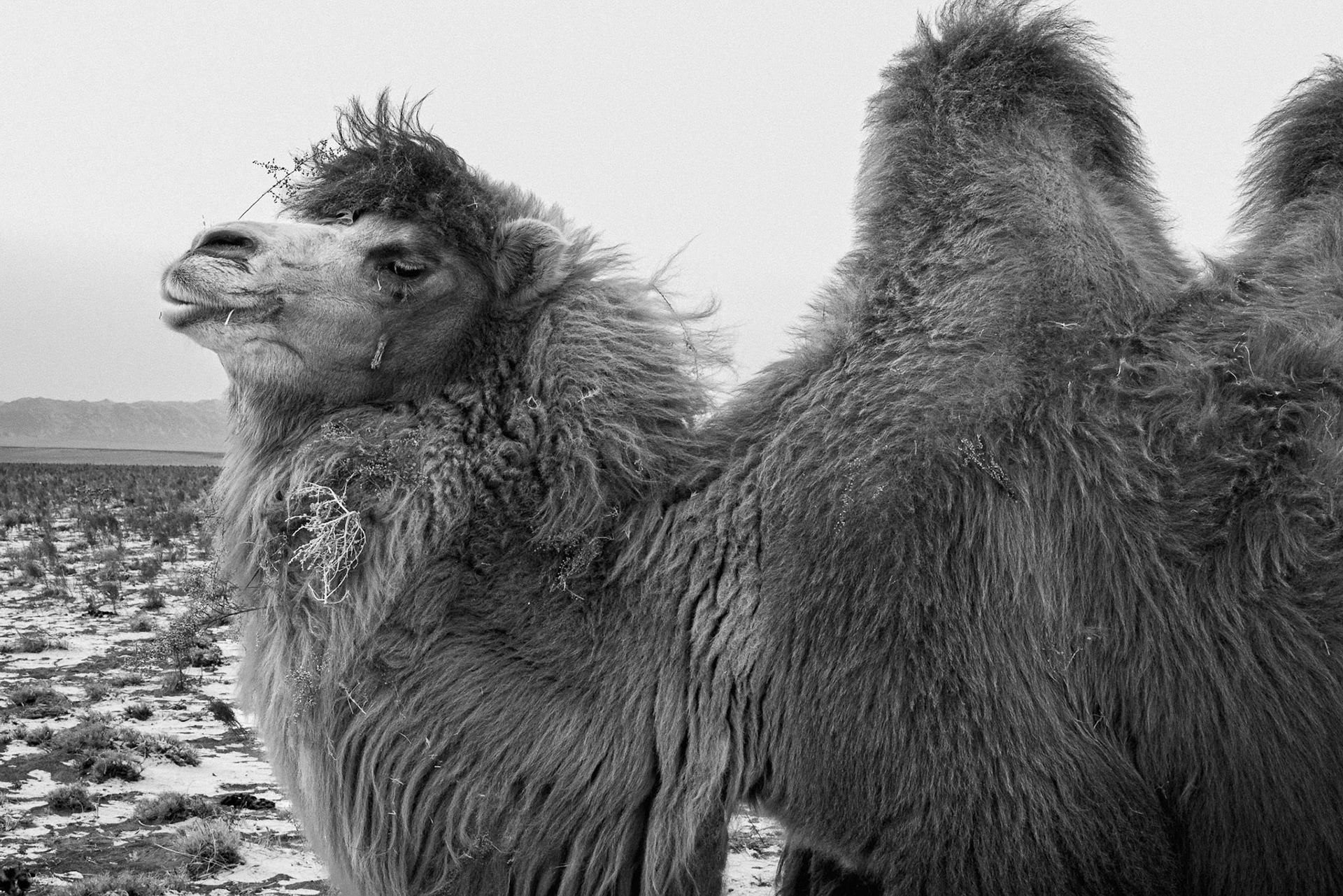
A close-up of a camel’s thick winter coat, essential for surviving -40°C temperatures. Gobi desert, Mongolia, December 2025
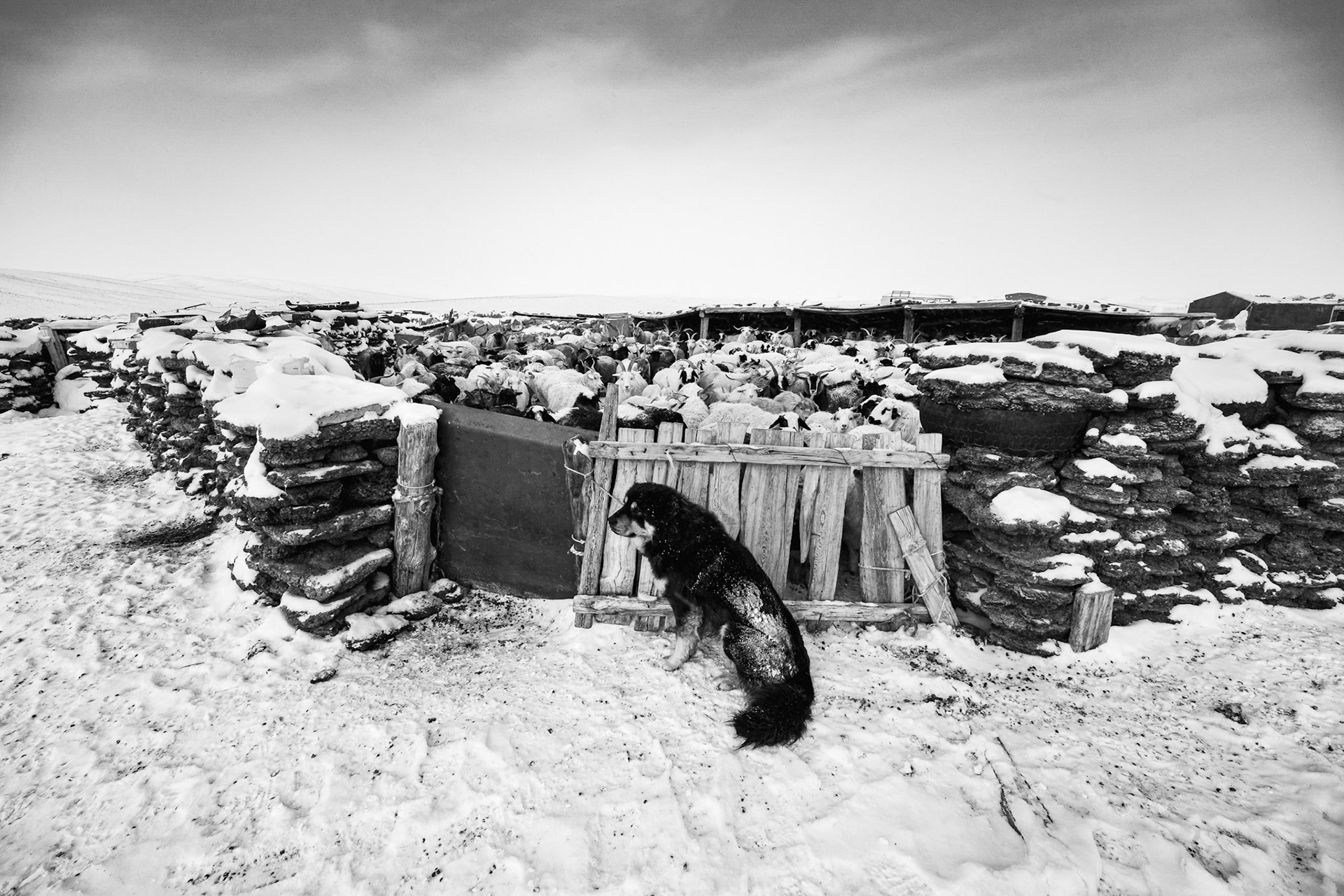
A dog stands guard over a livestock pen, an essential partner in the nomadic way of life. Gobi desert, Mongolia, December 2025
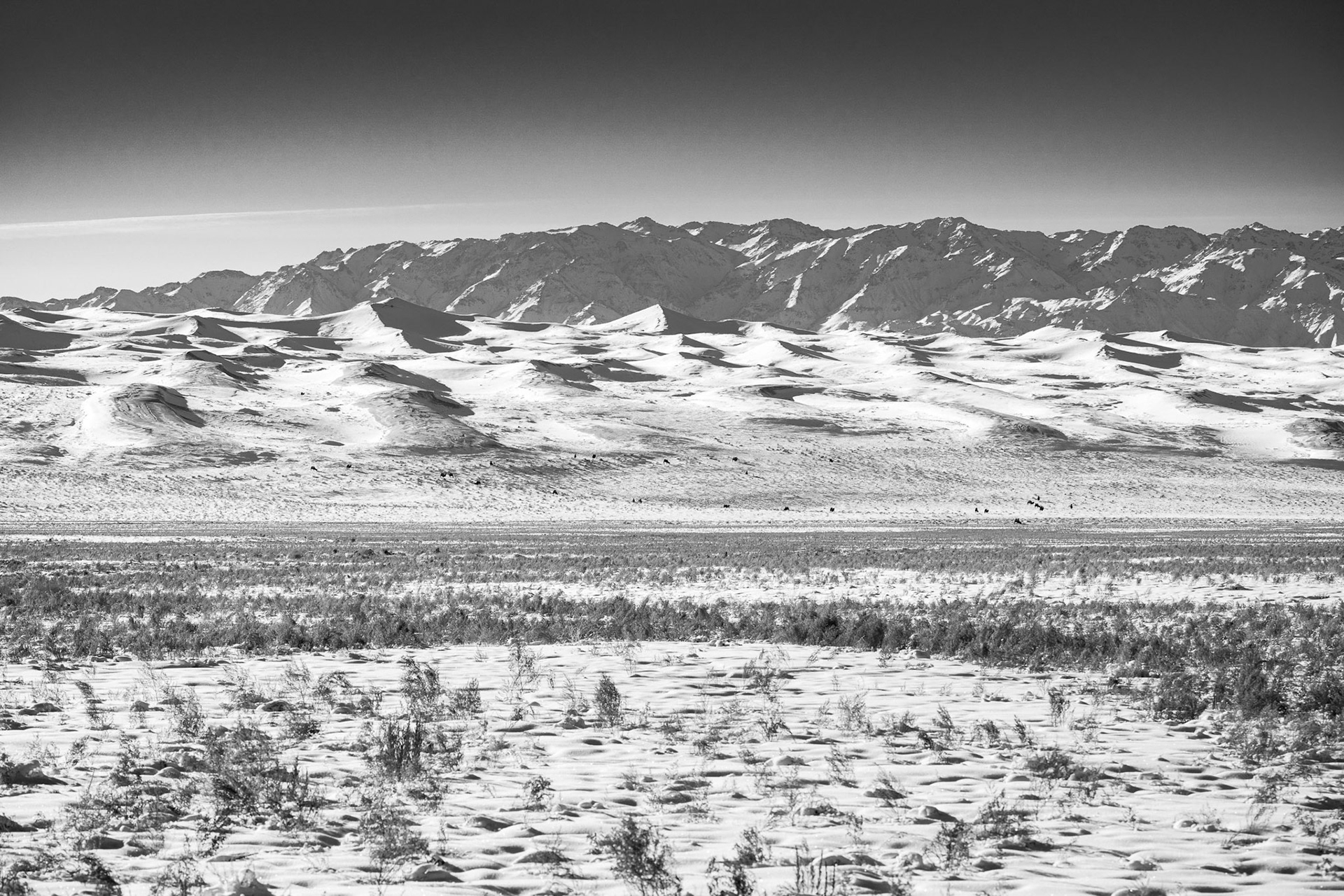
Where the desert meets the winter sky: The dramatic, harsh landscape of the Southern Gobi. Mongolia, December 2025
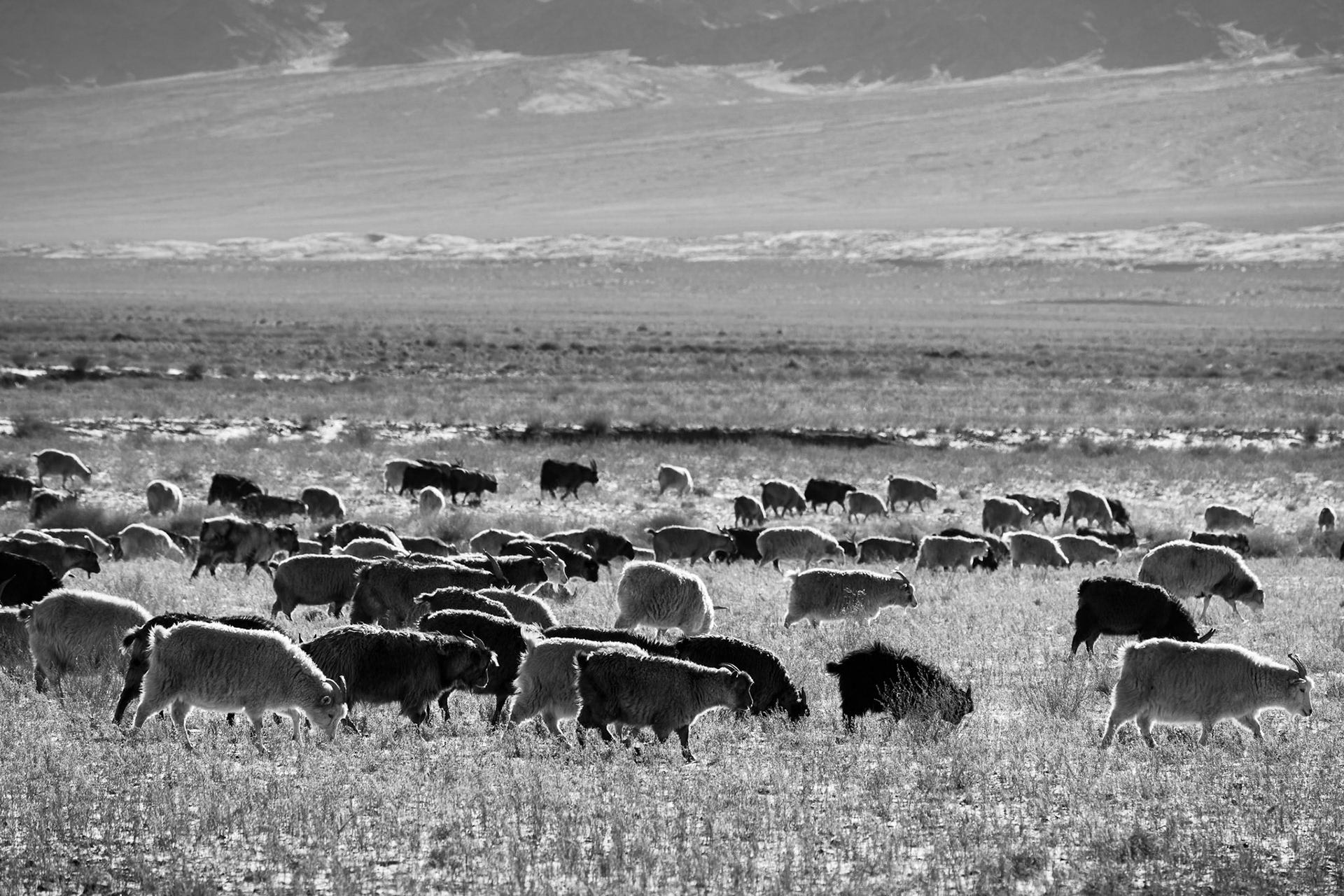
A wide view of the herd grazing on the edge of the world's most extreme desert. Gobi desert, Mongolia, December 2025
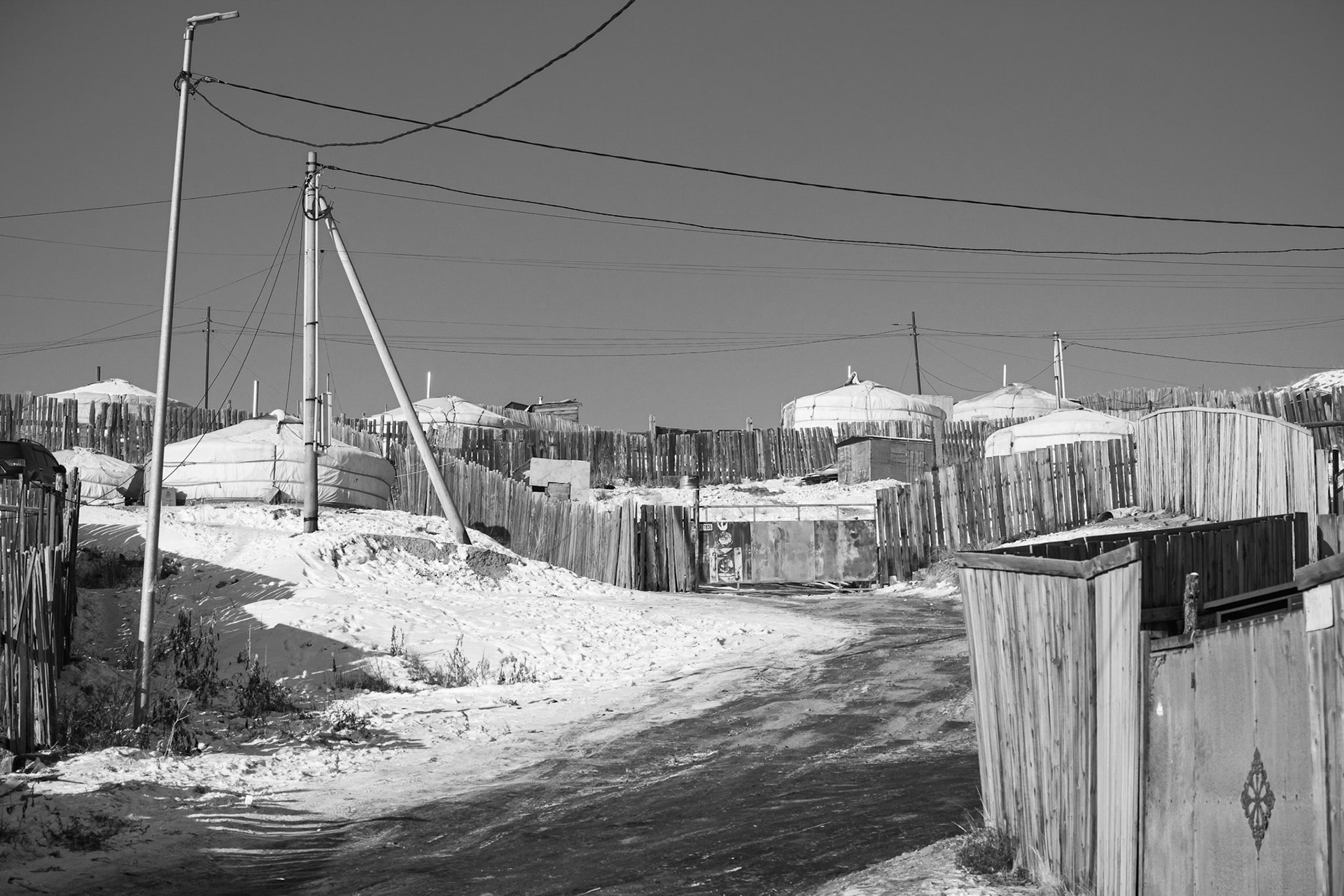
An improvised Ger district where thousands have fled following livestock loss in the countryside. Khoroo 43 Ger district, Ulan Baator, Mongolia, December 2025
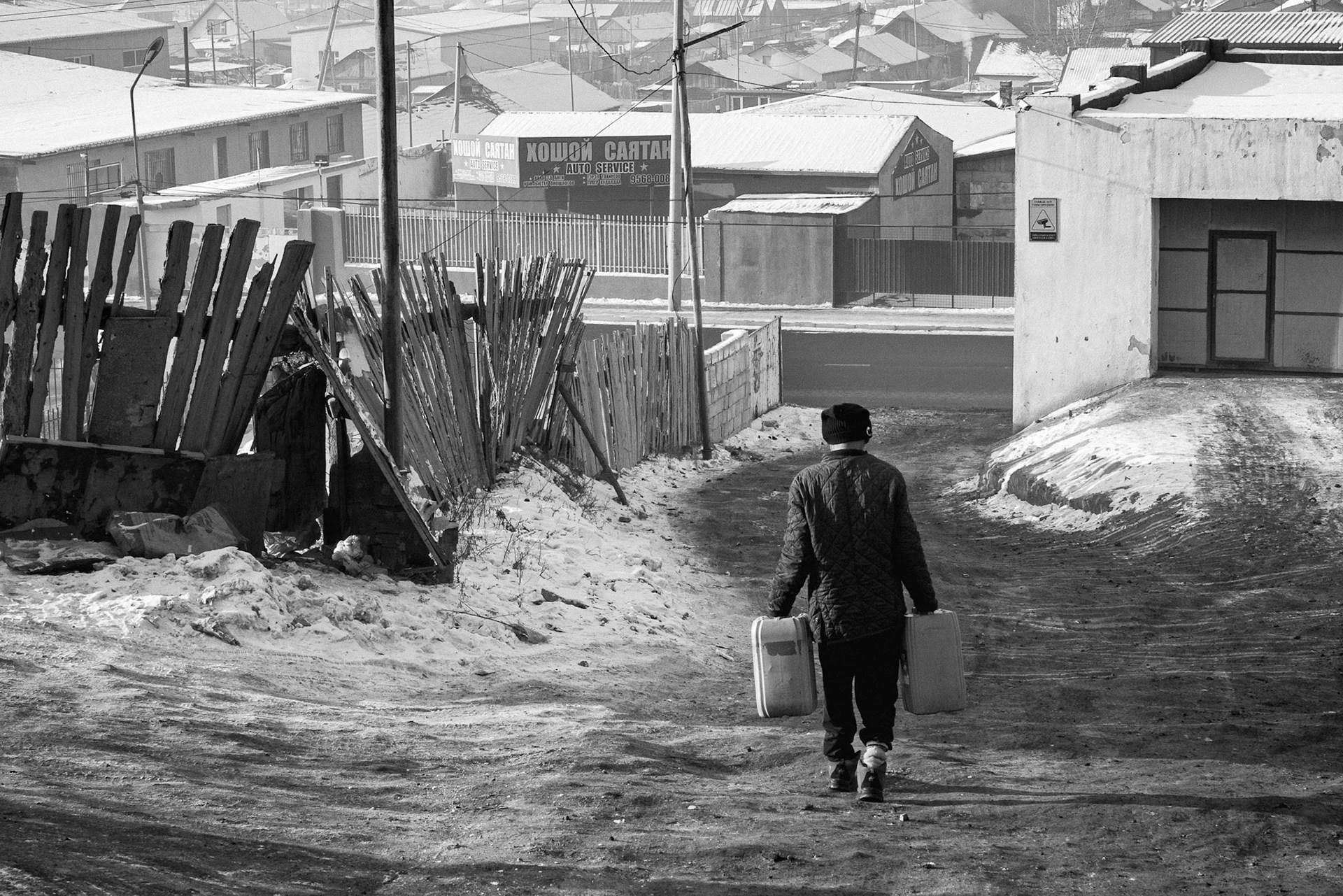
A resident of the Bayanzurkh Ger district carrying containers to a central water kiosk. Ulan Baator, Mongolia, December 2025
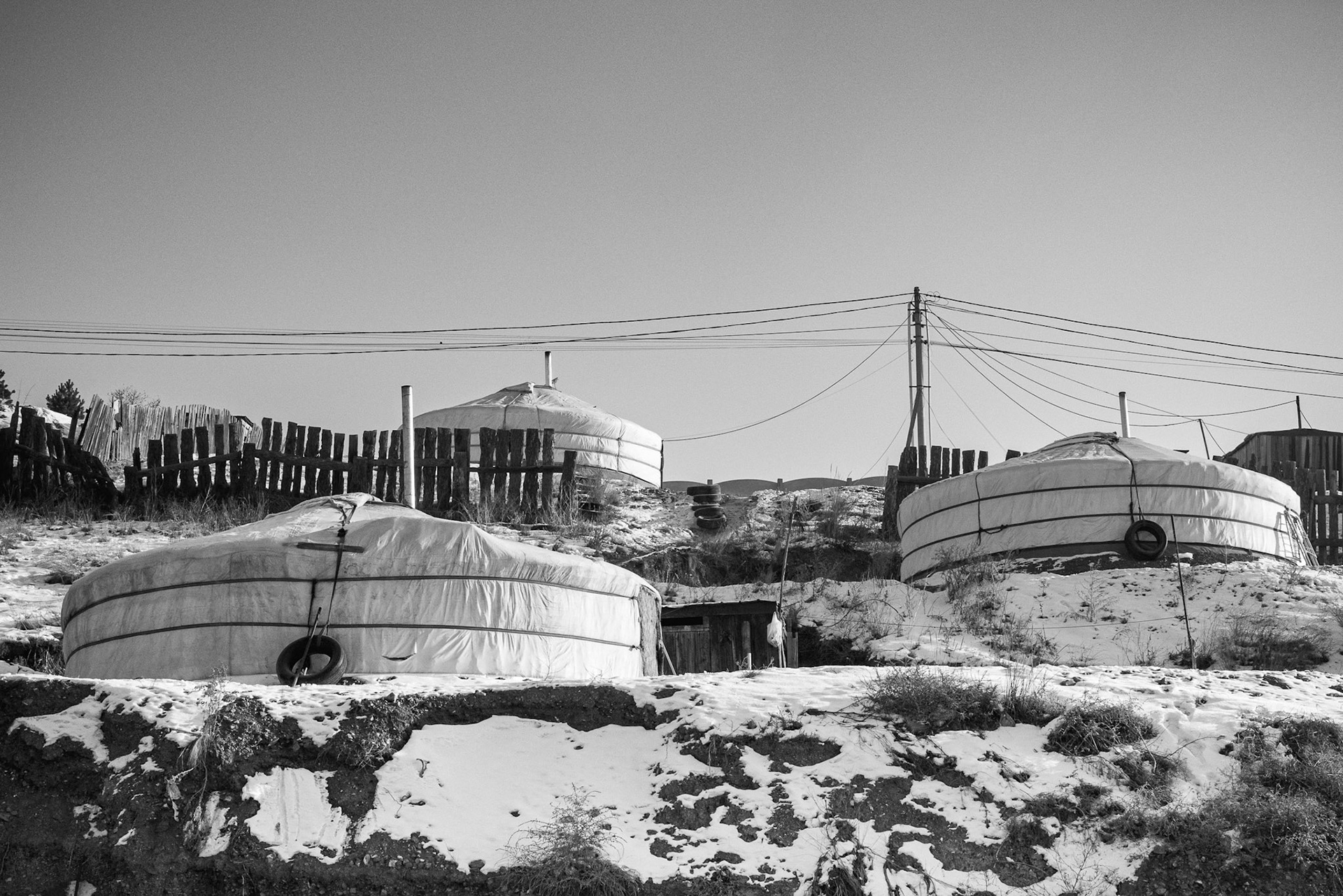
Gers and small wooden houses packed together without running water or sewage systems. Khoroo 43 Ger district, Ulan Baator, Mongolia, December 2025
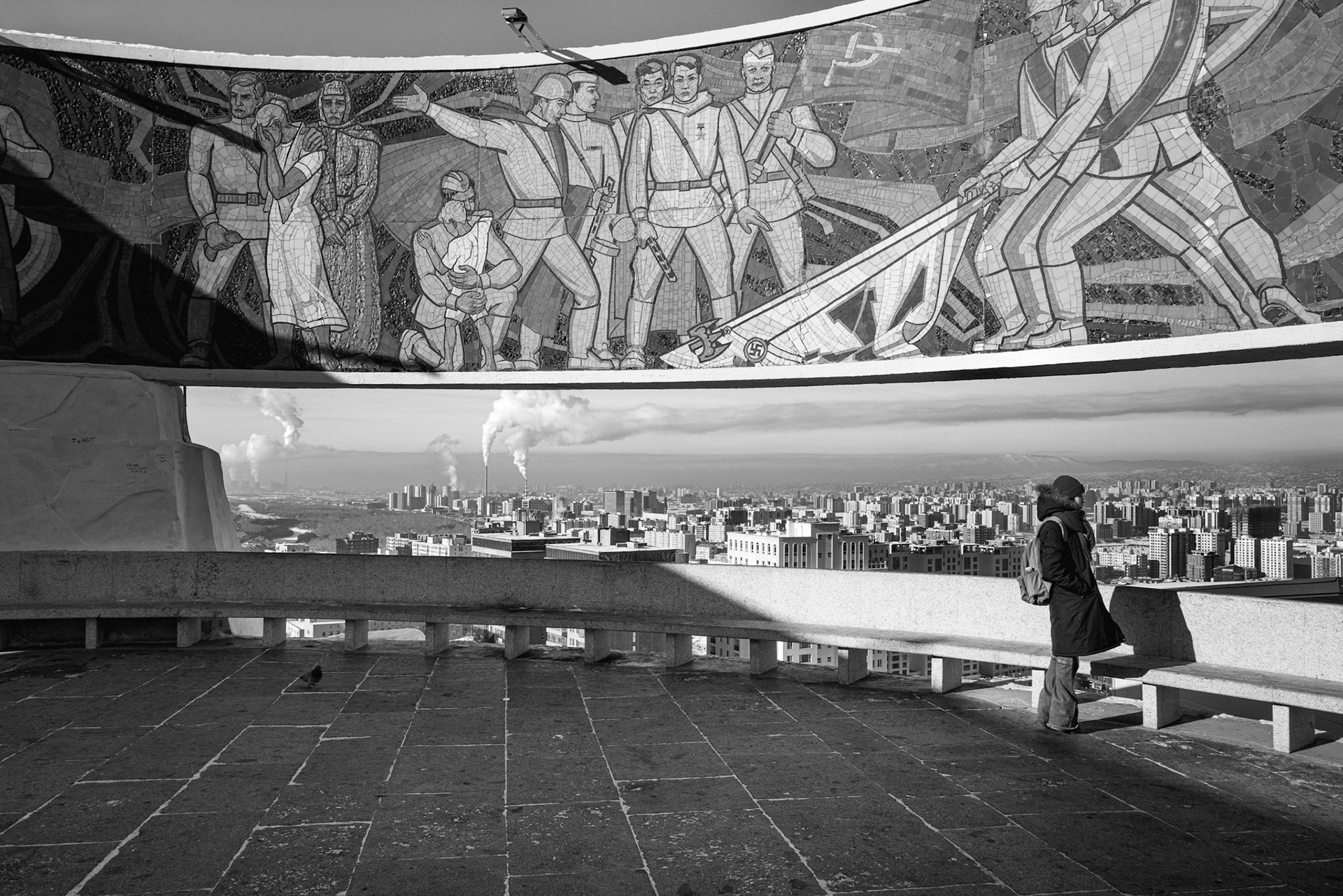
A visitor overlooks the smog-choked capital from the Soviet-era Zaisan Monument. Ulan Baator, Mongolia, December 2025